James Hogg [8/250]
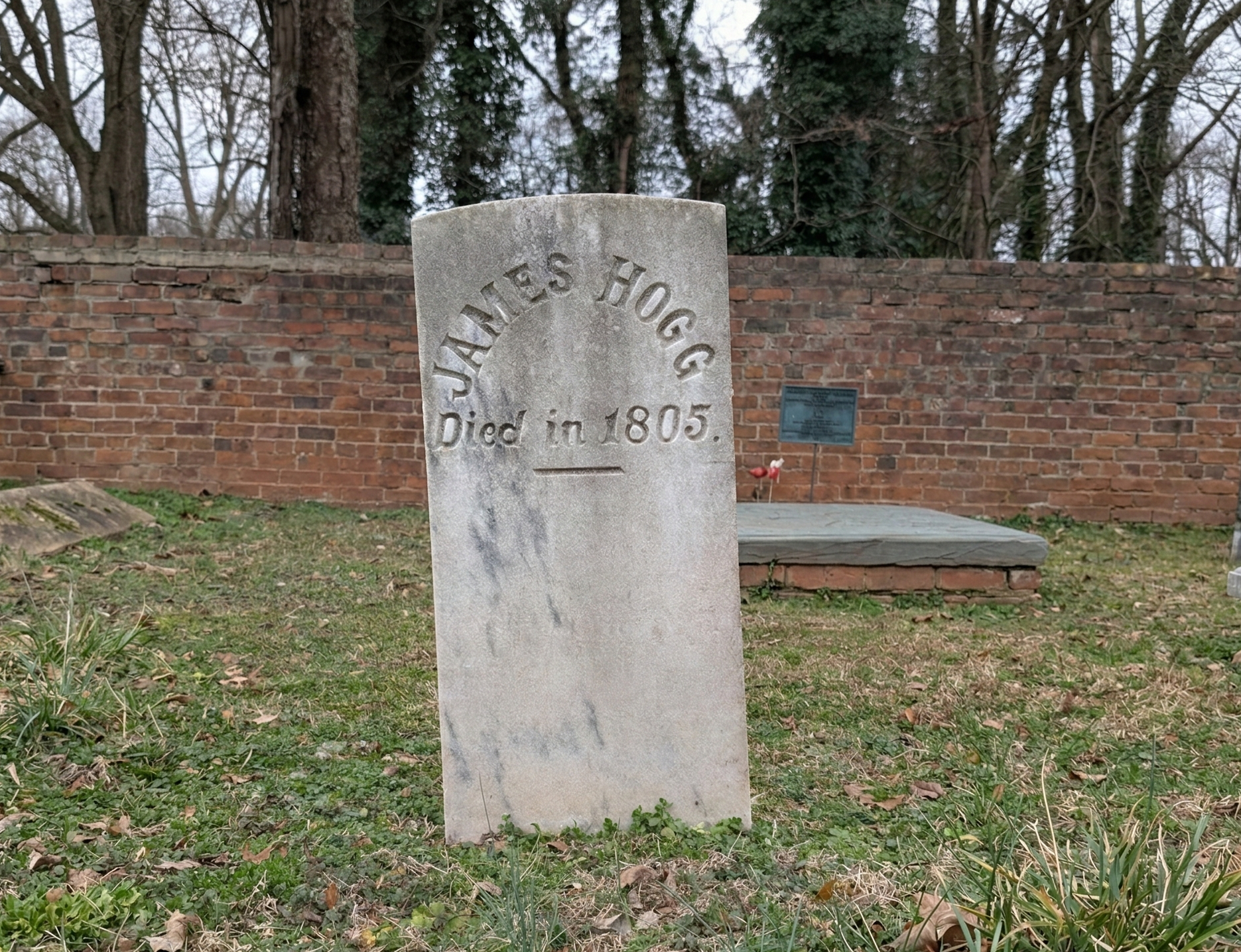
James Hogg 1729-1804
Buried at Hillsborough Old Town Cemetery in Orange County, North Carolina
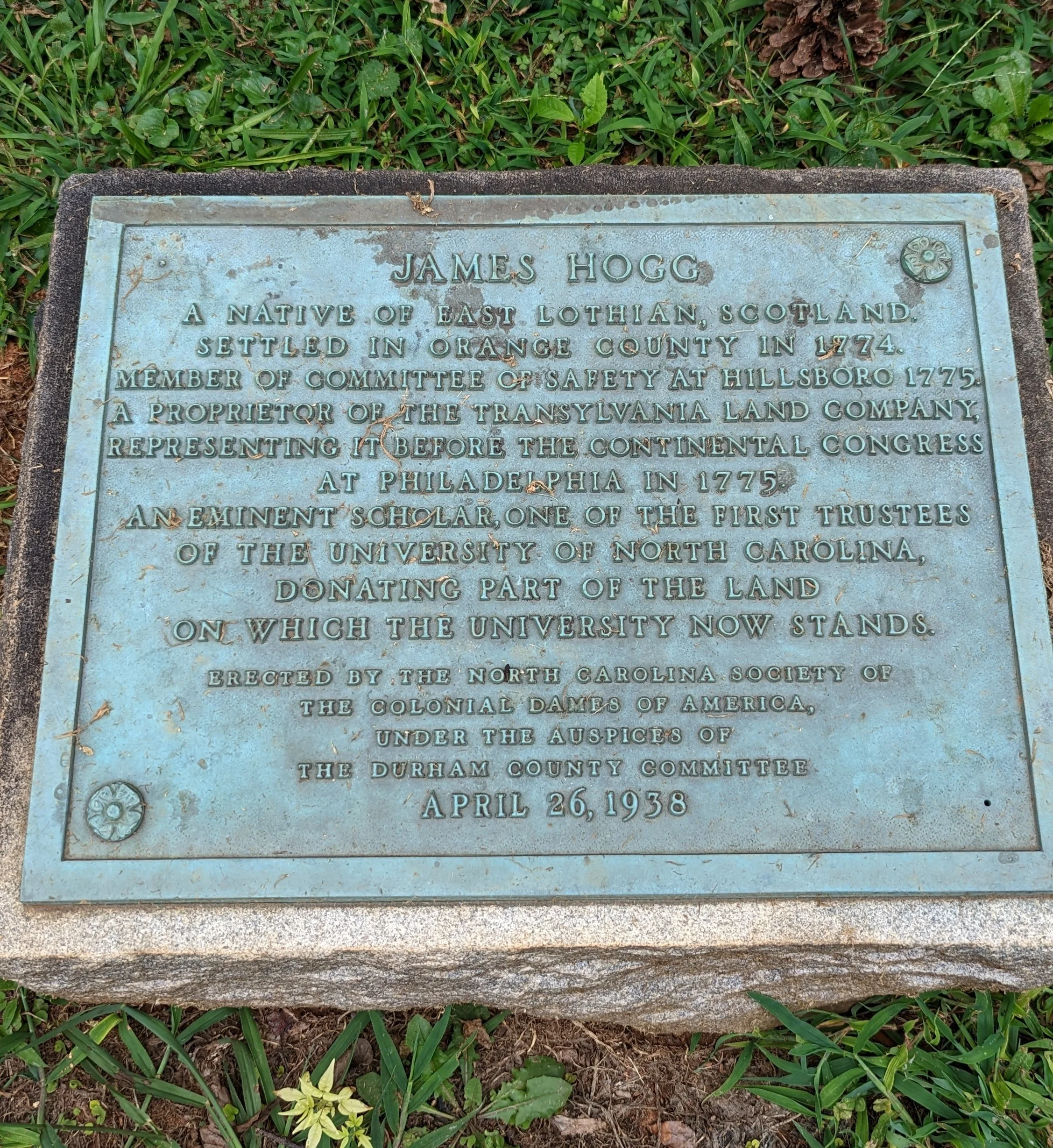
James Hogg rests today in the Old Town Hillsborough Cemetery in Hillsborough, North Carolina, but his story began an ocean away. Born in Scotland in 1729, Hogg entered a world already marked by political unrest and economic uncertainty. When he crossed the Atlantic and settled in North Carolina in the years before the American Revolution, he stepped into another season of upheaval. The colonies were on the brink of rebellion, loyalties were divided, and the backcountry towns of North Carolina would soon find themselves at the center of war.
By the time James Hogg died in 1804, he had lived through three of the most transformative decades in American history. He witnessed revolution, occupation, and the fragile birth of a new state. His life offers a window into what that era looked like for ambitious settlers who arrived just before independence reshaped everything around them, and into the influence he would ultimately have on Hillsborough and North Carolina itself.
His grave is number eight in my 250 Graves project, honoring individuals connected to the Revolutionary era in recognition of America’s 250th anniversary.
From Scotland to the Carolina backcountry
James Hogg was born in 1729 in East Lothian, Scotland, one of six children of Gavin and Helen Stevenson Hogg. In 1764, he married McDowal Alves, daughter of Alexander and Elizabeth Ingles Alves. Five years later, the family relocated to Borlum, near Thurso, in the parish of Reay in Caithnesshire. There, Hogg rented a farm and, for a time, prospered. The Hoggs became respected members of their community, building what must have seemed a stable and promising future.
But mid-eighteenth-century Scotland was not a stable place. Economic, political, and social upheaval reshaped entire regions. Lawlessness increased and James Hogg wrote bitterly of what he saw as a countryside overrun by disorder, claiming that the land no longer felt safe for his wife and children. Tensions escalated dramatically in 1771 when a shipwreck occurred near his farm. According to later accounts, Hogg intervened to defend the ship’s captain from looters attempting to strip the wreck. The attackers were driven off, but retaliation followed swiftly. Not long afterward, a band of men descended upon Hogg’s home. They attempted to kill him and ultimately burned his house to the ground.
In 1772, his brother Robert, who had been living in Wilmington, North Carolina, since 1756, returned to Scotland and visited the family. With Robert’s assistance, James contracted a vessel and organized a group of roughly 280 emigrants to sail for America. They arrived in Wilmington in 1774.
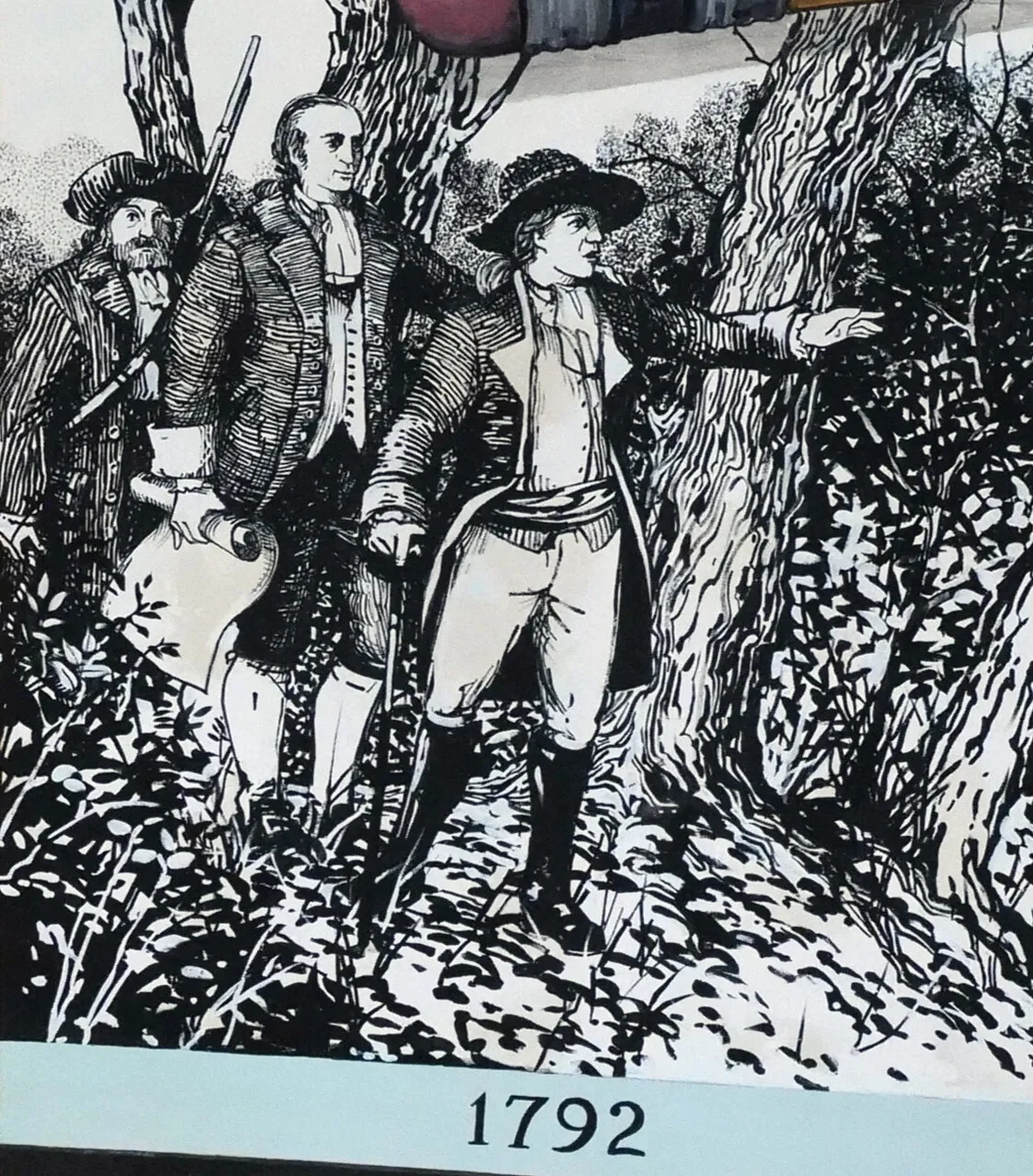
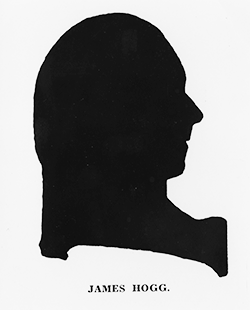
Painting of James Hogg, part of the mural at the Hillsborough courthouse.
Robert Hogg had already secured a 1,160-acre tract along the Eno River near Hillsborough for his brother, but rather than settle immediately on that land, James first established himself in Cross Creek (present-day Fayetteville), entering into partnership in a mercantile firm with his brother Robert Hogg and Samuel Campbell. The move positioned him at the center of trade in North Carolina just as the colony stood on the brink of Revolution.
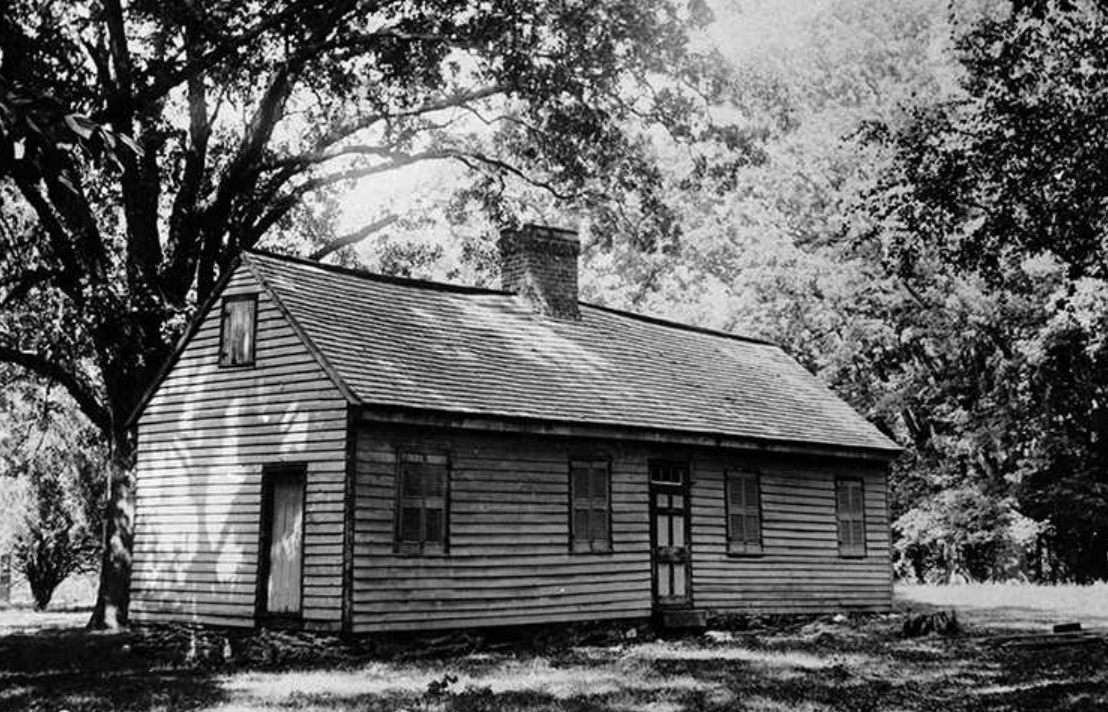
James Hogg’s first home in Hillsborough, NC. Photo courtesy of North Carolina Collection, University of North Carolina at Chapel Hill.
By the eve of the American Revolution, he was a successful merchant and land speculator, positioning himself among the men who shaped the colony’s response to imperial authority. In 1775, Hogg moved to Hillsborough, NC, to open a company office and take up residence on his land east of town. Also that year, James Hogg became a member of the Transylvania Company, a large-scale land speculating venture in Kentucky to establish title and organize the settlement of Kentucky as the 14th colony.
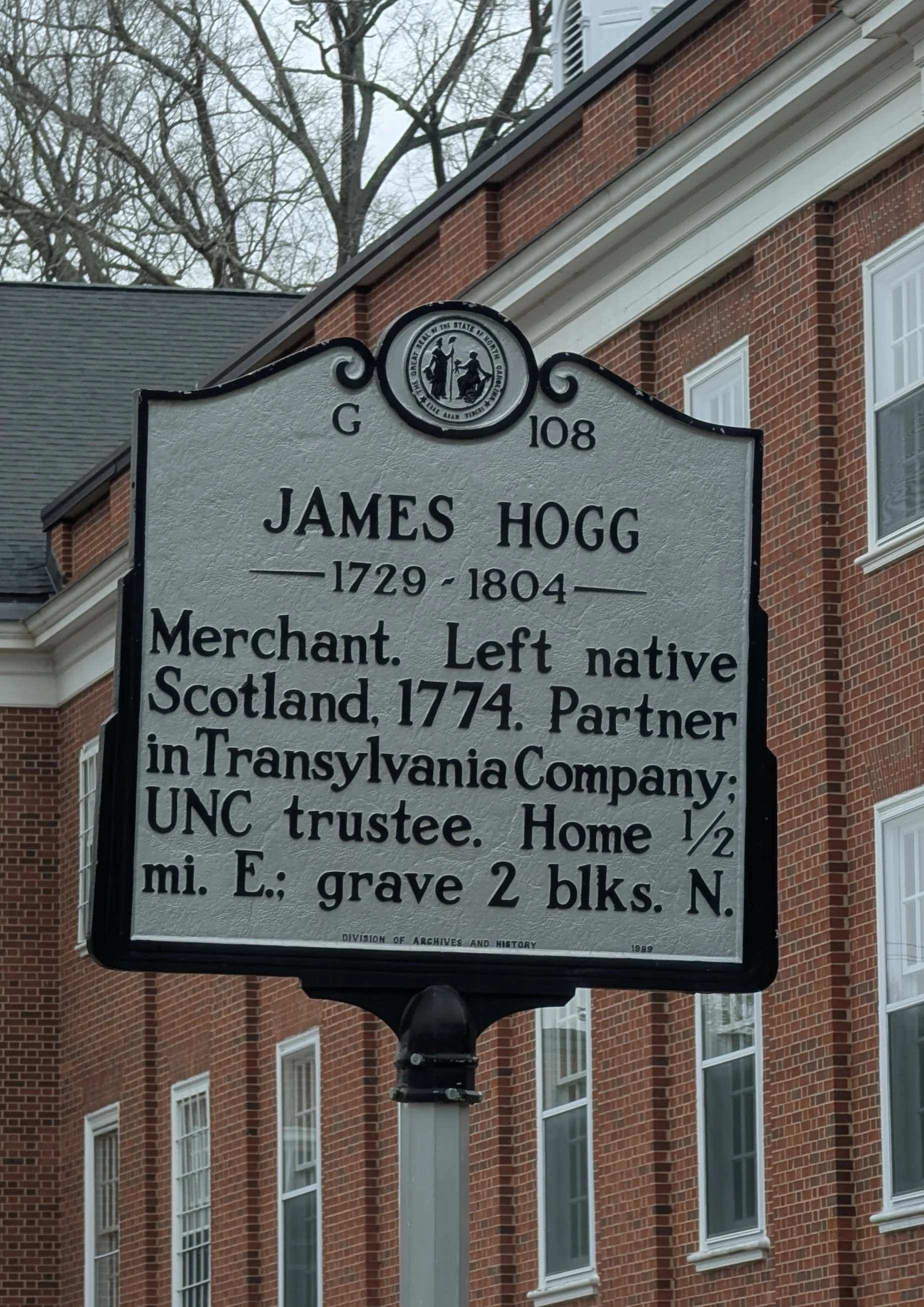
James Hogg in the Revolution
Hogg does not appear in records as a soldier who marched or fought, but his Revolutionary service took another, equally critical form. He served on the Hillsborough Committee of Safety, the local Patriot governing body responsible for enforcing resistance measures, organizing supplies, and maintaining order during the war years. In 1777, he also served on the town’s board of commissioners.
These committees were the backbone of Revolutionary governance in North Carolina, especially in the deeply divided backcountry, where loyalties were contested, and violence was often personal and close to home.
In 1781, during the height of British and Loyalist activity in the region, Hogg was captured at his home, Poplar Hill, but was later released, a reminder that even prominent Patriots were vulnerable during the war’s most chaotic months, as Hillsborough itself was occupied by British forces.
Building a new state
After independence, Hogg remained deeply involved in shaping North Carolina’s future. He was an early and influential supporter of public education and became one of the original trustees of the University of North Carolina, serving from 1789 until 1802. He helped secure land and political support for the new institution and strongly advocated for its location at Chapel Hill.
Through education, commerce, and civic leadership, Hogg helped define what stability and progress would look like in the fragile years following the Revolution.
The Society of the Cincinnati
After the war ended and the new nation began to take shape, James Hogg became connected with one of the most exclusive (and controversial) organizations of the Revolutionary generation: the Society of the Cincinnati.
Founded in 1783 by officers of the Continental Army, the Society was created to preserve the memory of the Revolution and to maintain the bonds formed among officers during the war. It was named for the Roman statesman Cincinnatus, who, according to legend, left his plow to lead Rome in a time of crisis and then returned to private life once the danger had passed. The symbolism was intentional. The founders saw themselves as citizen-soldiers who had sacrificed for liberty and then stepped back into civilian life.
Membership was limited primarily to commissioned officers of the Continental Army and their descendants. From the beginning, the Society sparked public debate. Some critics feared it resembled a hereditary aristocracy in a republic that had just rejected monarchy. Supporters argued it honored sacrifice and preserved the principles of the Revolution.
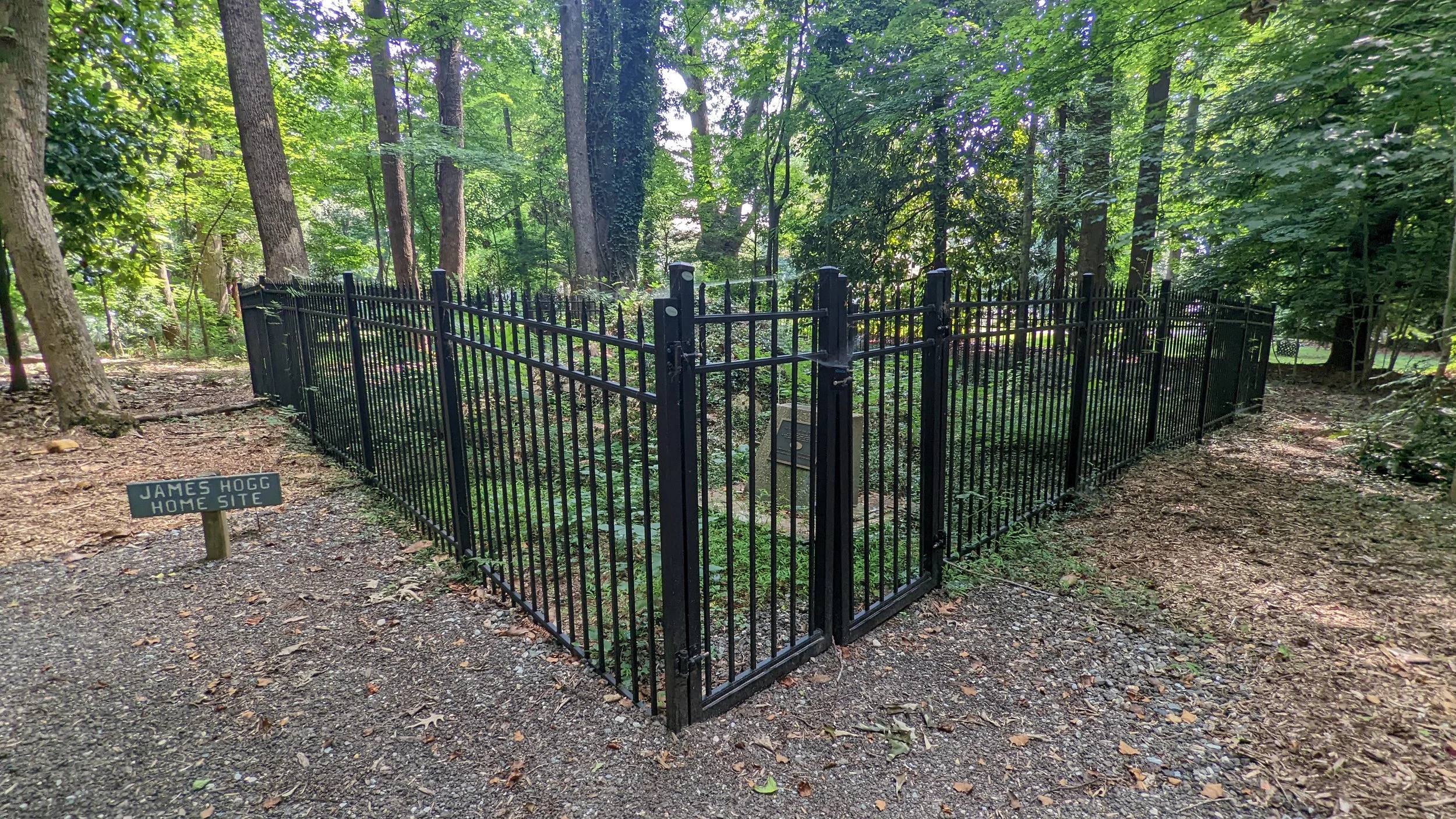
Homesite of James Hogg, where the North Carolina Society of the Cincinnati was formed in 1783.
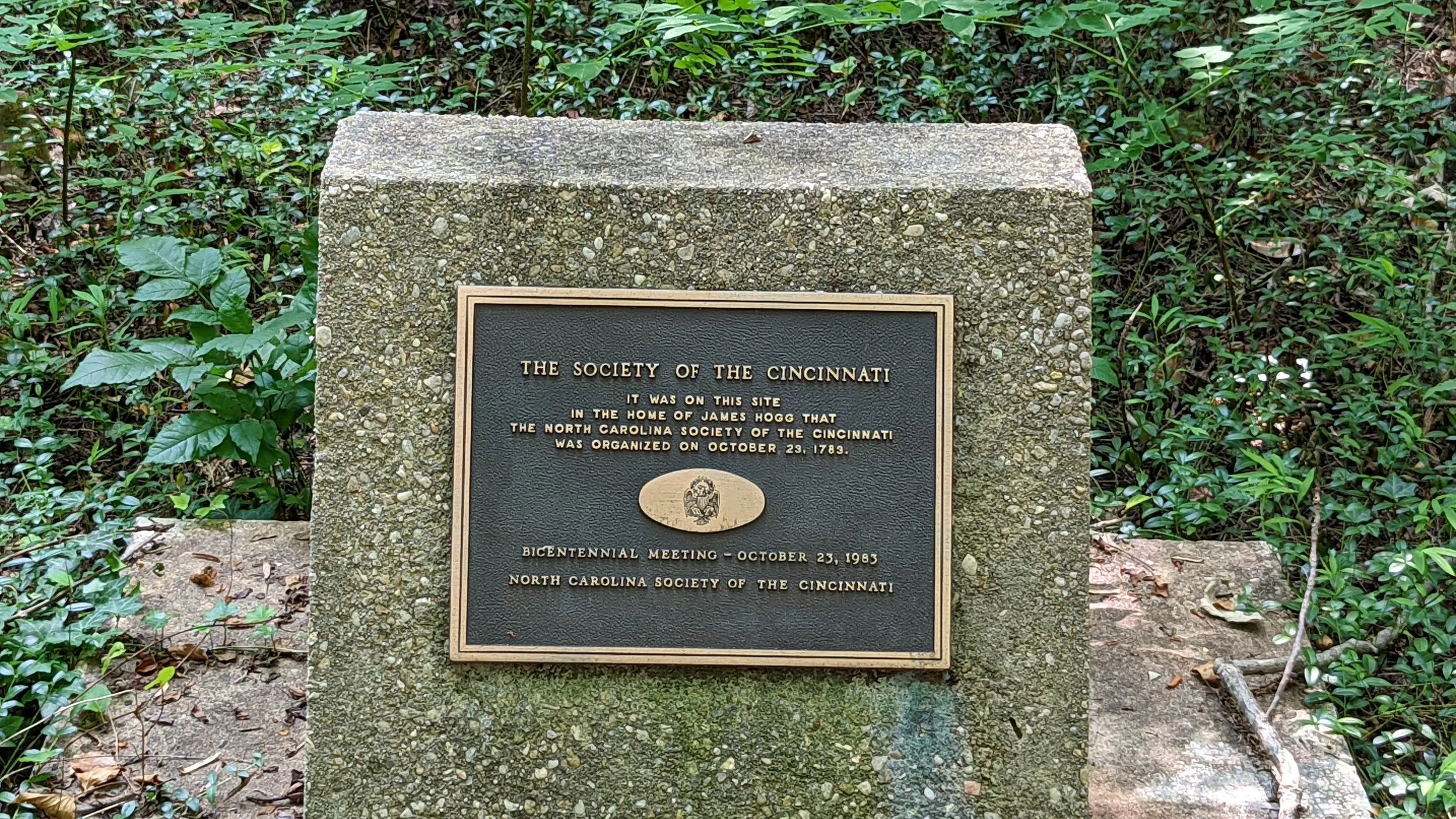
The North Carolina chapter of the Society of the Cincinnati was formed in James Hogg's home, where the first meeting was held on October 23, 1783. Though James Hogg was best known for his civic and political service rather than battlefield command, his association with the Society placed him within the inner circle of Revolutionary leadership in North Carolina. His inclusion reflects the stature he held among the state’s Patriot elite in the years following independence.
James Hogg and Slavery
Like many men of wealth and influence in late-eighteenth-century North Carolina, James Hogg’s prosperity was due in large part to the institution of slavery. The 1800 federal census shows that he enslaved 37 people on his property in Hillsborough, and through his will and other recorded transactions, we have information on who those people were.
In a series of transactions recorded in the 1802 Orange County deed books, he transferred ownership of enslaved men, women, and children to others, naming individuals and, in some cases, family relationships. These records, though scant, help to preserve fragments of lives that otherwise remain largely unrecorded and will hopefully help those who are searching for their ancestors.
If you are interested in reading through this documentation, you can download the PDF here: James Hogg PDF
Learning more about James Hogg, we are reminded that the American Revolution was not experienced equally by all, and that his legacy was one of patriotic service, but also of wealth and affluence that benefited from the enslavement of others. 250 Graves seeks to hold those truths together, honoring the past not by simplifying it, but by seeing it whole.
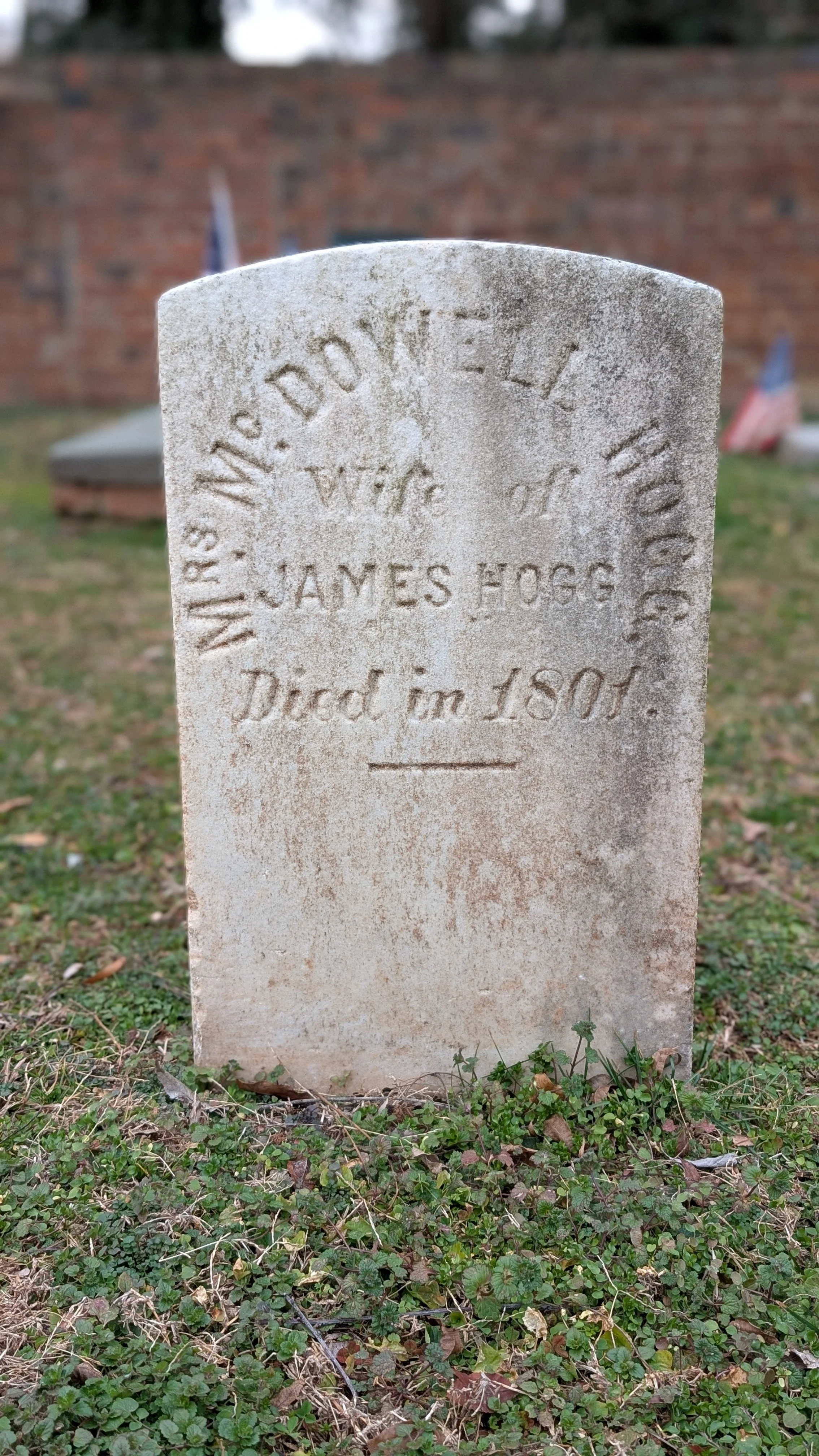
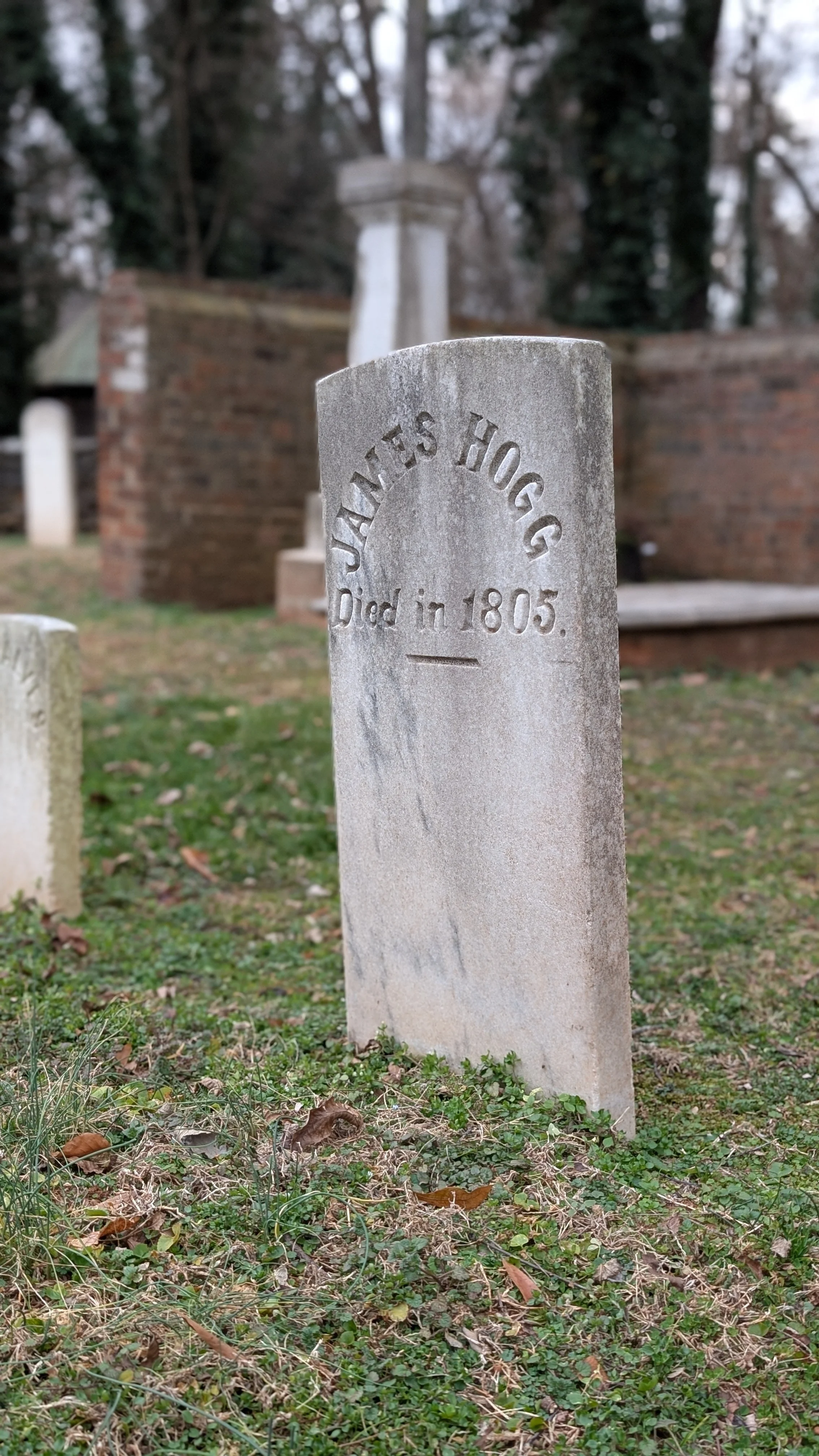
The Legacy of James Hogg
James Hogg suffered a stroke in 1802 and passed away in 1804 (his gravestone incorrectly lists his date of death as 1805). He was laid to rest in the Old Town Hillsborough Cemetery, in the same plot as William Hooper, a signer of the Declaration of Independence and longtime friend of Hoggs. Stories like theirs are scattered throughout our historic cemeteries, waiting to be rediscovered.
Through James Hogg's life, we glimpse the journey of an immigrant who crossed an ocean seeking stability, only to find himself swept into revolution. His story also highlights how the Patriot cause unfolded in the Carolina backcountry, not only on battlefields, but in committees, town halls, and homes touched by war. And it reminds us that the men who helped shape early America lived lives that were layered and complicated.
It is in those layers that the fuller story emerges, one that challenges us to try to understand the people who shaped American independence and the world they inhabited.
This project is made possible by readers like you.
Your support helps to pay for website costs, gas to travel to these sites, and cleaning supplies for the veteran stones that I’m working to restore.
If you believe this work is important, your support is so appreciated!
Citations
James Hogg Papers(Southern Historical Collection, University of North Carolina Library, Chapel Hill).
Wetmore, William H. 1988. The Life and Times of James Hogg, 1729-1804.
1800 federal census
Orange County, North Carolina Deed Books 1802 (see PDF below)
James Hogg PDF