James Cannon [6/250]
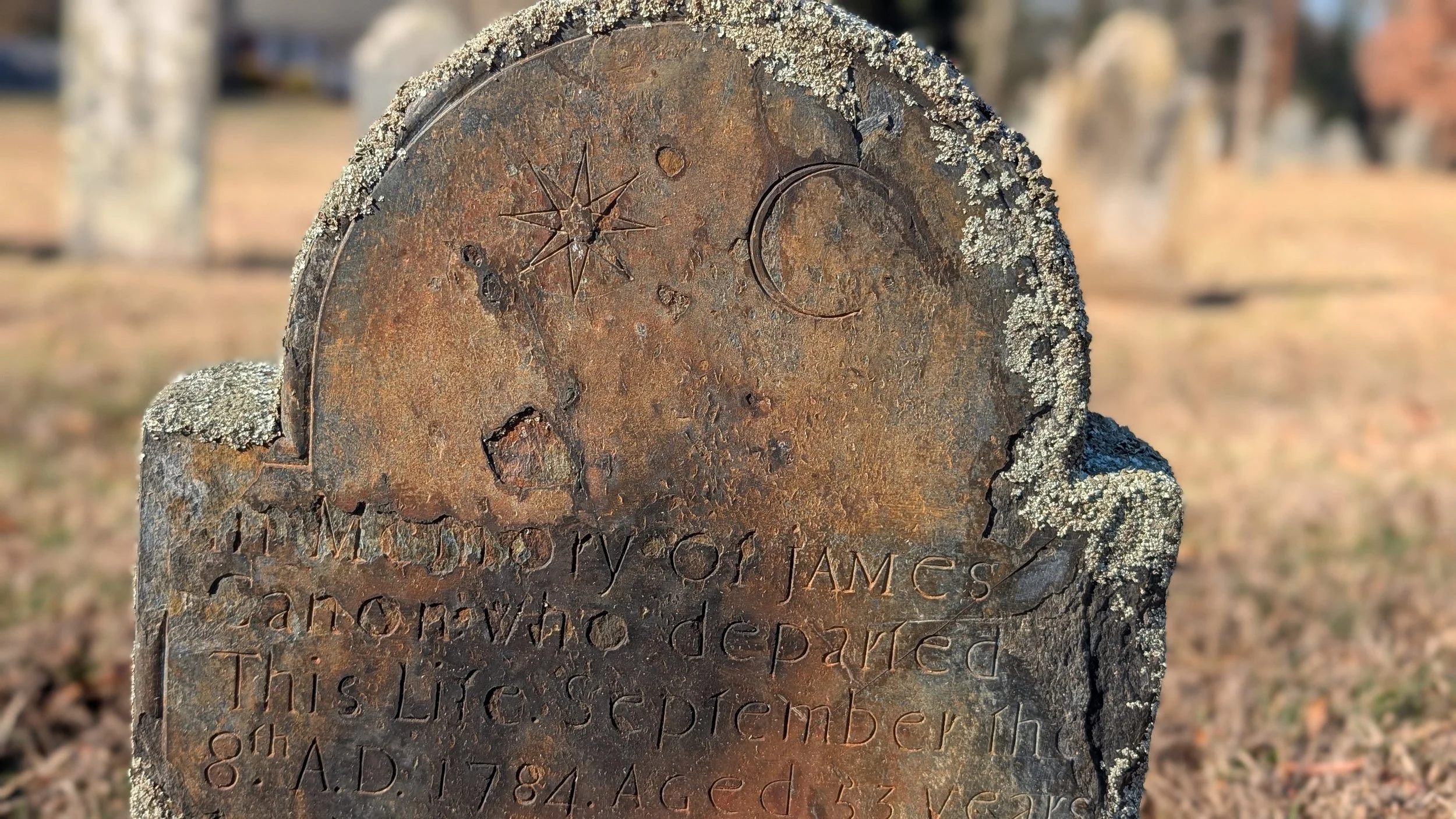
James Cannon, 1731-1784
Buried at Hopewell Presbyterian Church Cemetery in Mecklenburg County, North Carolina
The American Revolution was fought not only by soldiers on battlefields, but also by civilians whose labor, resources, and resolve sustained the Patriot cause. One such individual was James Cannon (1731–1784), whose grave rests among a remarkable concentration of Revolutionary participants in the Carolina backcountry.
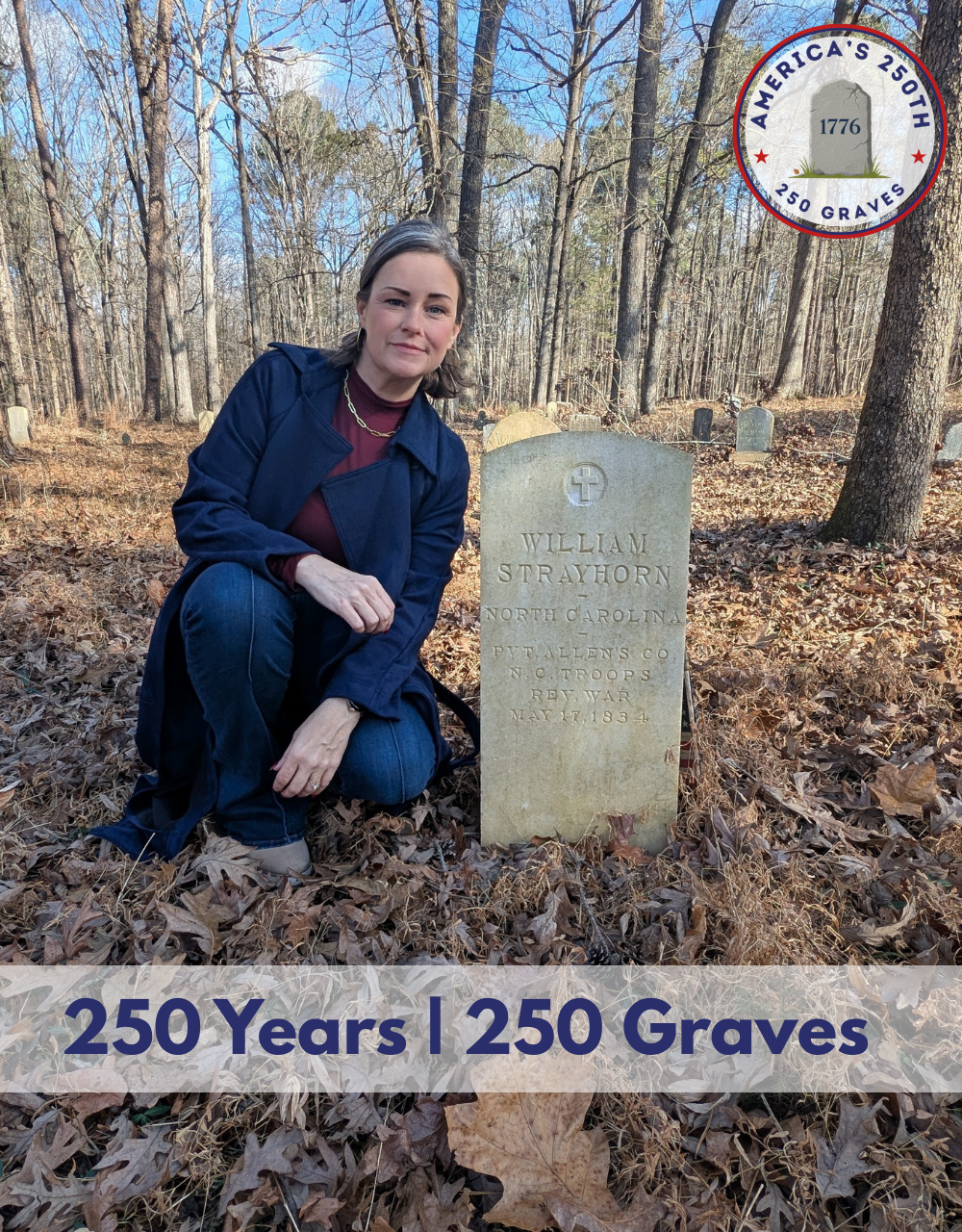
James Cannon’s story is part of the 250 Years, 250 Graves project, which seeks to highlight both the well-known and the often-overlooked contributors to American independence.
Early Life and Family
James Cannon was born in 1731 in Dorchester County, Maryland. In 1759, he married Margaret Alexander (1743–1802) in Cecil County, Maryland. Together, they raised a family of at least 3 children: James, Joseph, and Theophilus.
Sometime in the years leading up to the American Revolution, James and Margaret migrated south to the backcountry of North Carolina in Mecklenburg County. By the 1770s, they were living in a region that would soon become one of the most volatile theaters of the war.
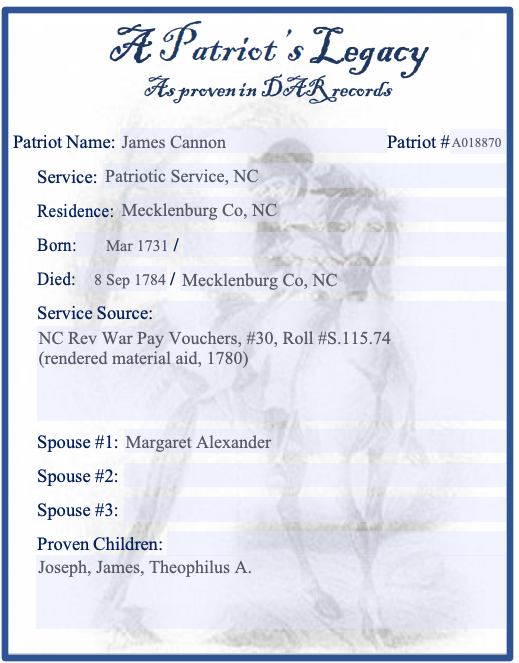
James Cannon’s Daughters of the American Revolution (DAR) Service Record
Rendering “Material Aid” to the Patriot Cause
James Cannon’s Revolutionary service is recorded as having “rendered material aid,” which is mentioned often in Revolutionary-era records. Rendering material aid refers to civilian support of the Patriot cause through the provision of essential resources rather than direct military service. This could include supplying food, livestock, tools, shelter, transportation, or other necessities to Patriot troops and militia units. In many cases, civilians were also responsible for safeguarding supplies or assisting with logistics behind the scenes.
In the Carolina backcountry, offering such aid could be dangerous. Communities were deeply divided, and allegiances often split families and neighbors. To openly support one side risked retaliation from the other, making civilian contributions both vital and perilous.
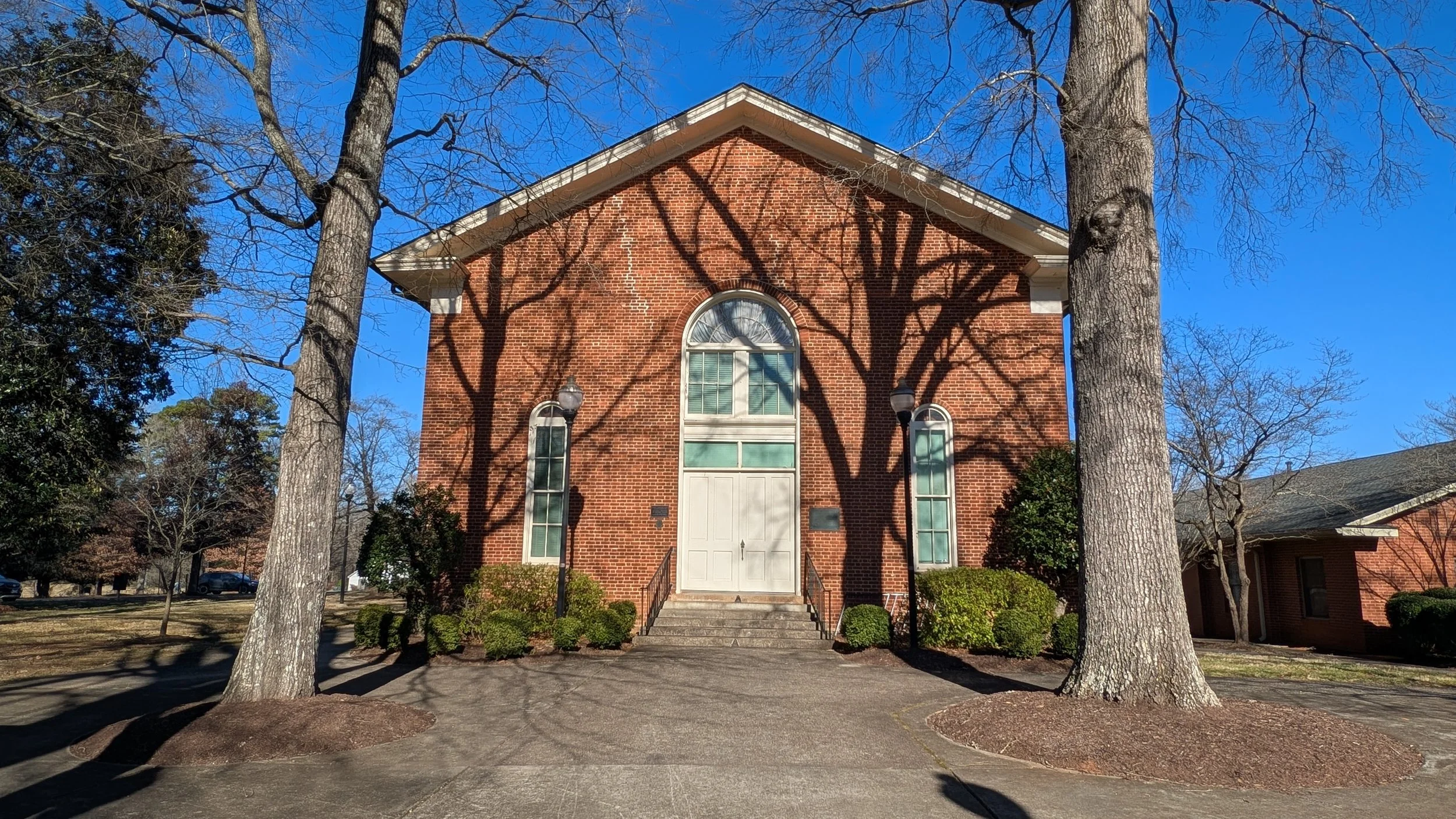
Burial at Hopewell Presbyterian Church
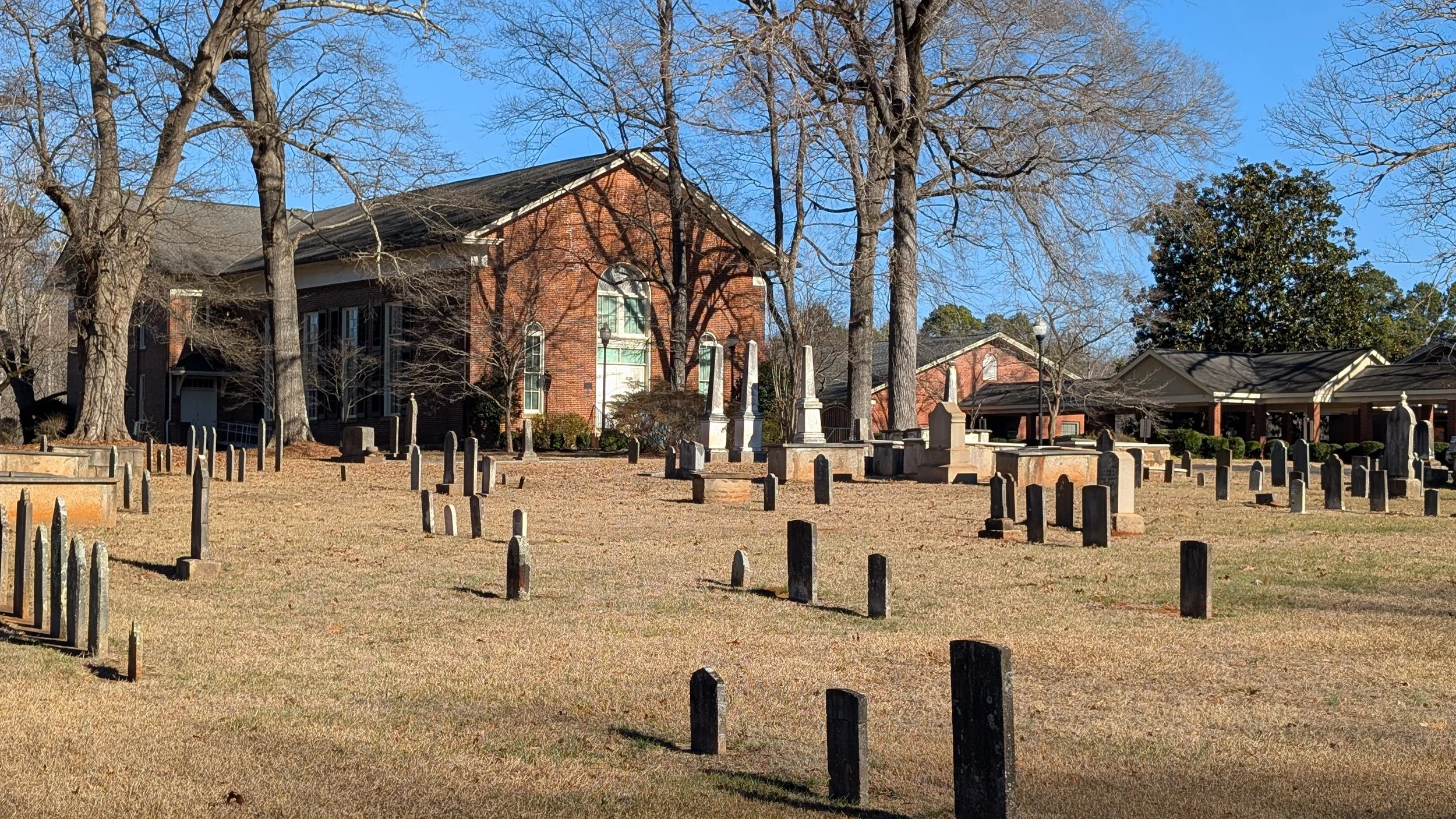
James Cannon is buried at Hopewell Presbyterian Church, one of the most historically significant sites in Mecklenburg County. Organized in 1762, the congregation initially met in a crude log structure. The current brick church, constructed in 1833, is the third building on the property and remains the oldest continuously used place of worship in the county today.
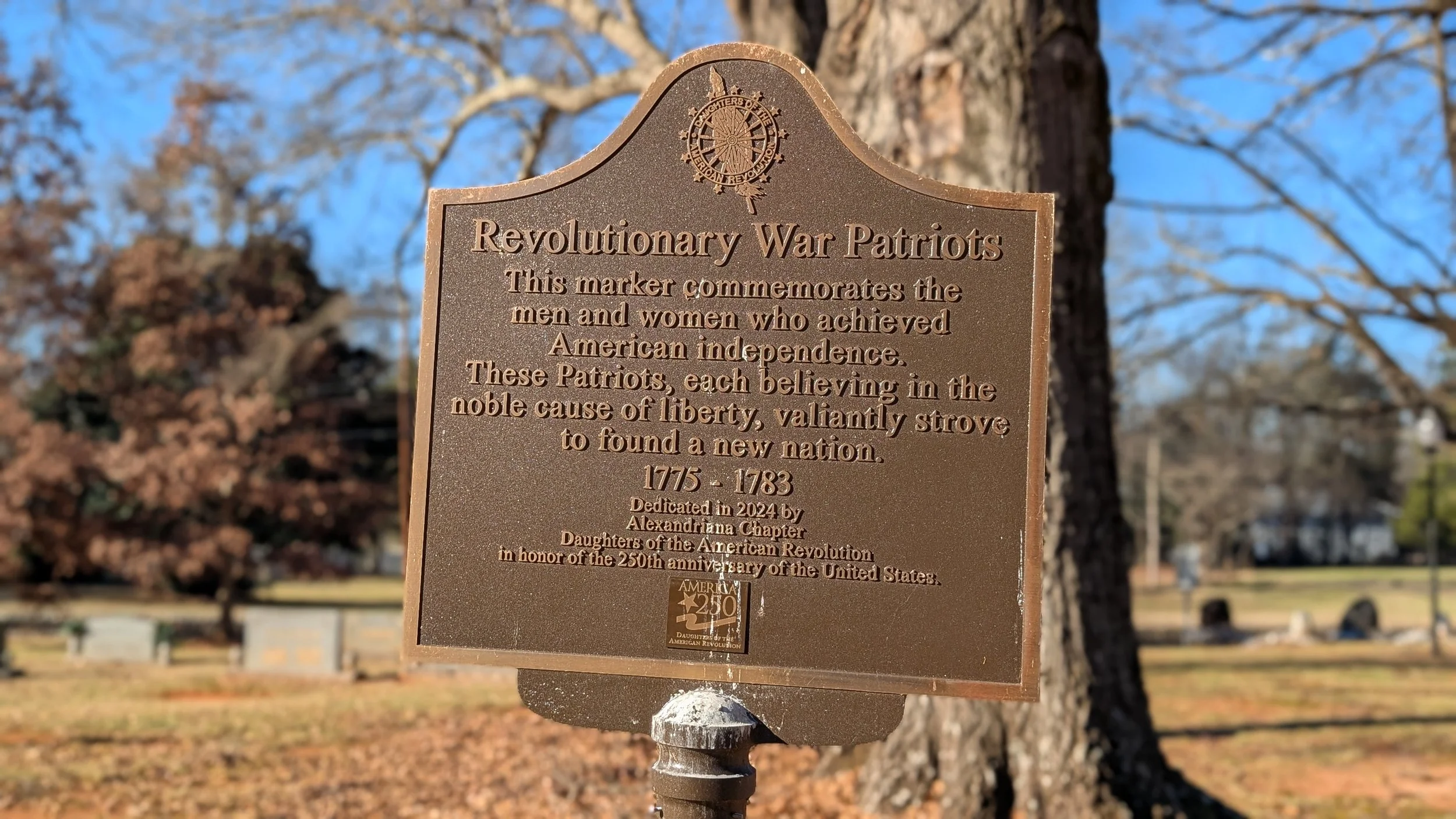
The surrounding graveyard is extraordinary in its Revolutionary associations. At least sixteen individuals buried here are known to have participated in the Patriot cause, with likely many more whose stories have been lost to time. Among those interred are five men who signed the Mecklenburg Declaration of Independence, a document believed by some historians to predate the Declaration of Independence by a full year. This high concentration of Patriot burials reflects the turbulent history of the region.
A Civil War Within the Revolution
Mecklenburg County and the surrounding Carolina backcountry experienced some of the most brutal internal violence of the American Revolution. Here, the conflict often took the form of neighbor-against-neighbor fighting, as Patriots and Loyalists battled not only British authority but each other.
Raids, reprisals, property destruction, and personal vendettas were common. In such an environment, civilians like James Cannon, who provided material aid to the Patriot cause, were integral to sustaining resistance but also exposed themselves to real danger.
Remembering Quiet Contributions
James Cannon did not leave behind records of battlefield heroics, but his contributions remind us that independence depended on far more than muskets and marches. The Revolution was sustained by people who fed armies, sheltered neighbors, and quietly chose sides in deeply divided communities. His grave at Hopewell Presbyterian Church stands as a testament to those quieter forms of courage and commitment, and to the complex, often painful reality of revolution in the southern backcountry.
This project is made possible by readers like you.
Your support helps to pay for website costs, gas to travel to these sites, and cleaning supplies for the veteran stones that I’m working to restore.
If you believe this work is important, your support is so appreciated!
Citations
National Society Daughters of the American Revolution. “Accepted Revolutionary War Service.”
Hopewell Presbyterian Church History
University of North Carolina at Charlotte Library Research Guides. “History of Hopewell Presbyterian Church.”
Hopewell Presbyterian Church and Cemetery (National Register historic district summary)
York County (SC) tombstone business study (PDF). “Tombstone Carvers in York and Chester Counties, 1750–1850.”
North Carolina Society, Sons of the American Revolution (NCSSAR). “SAR NC Patriot Gravesites."