Alexander Love [13/250]
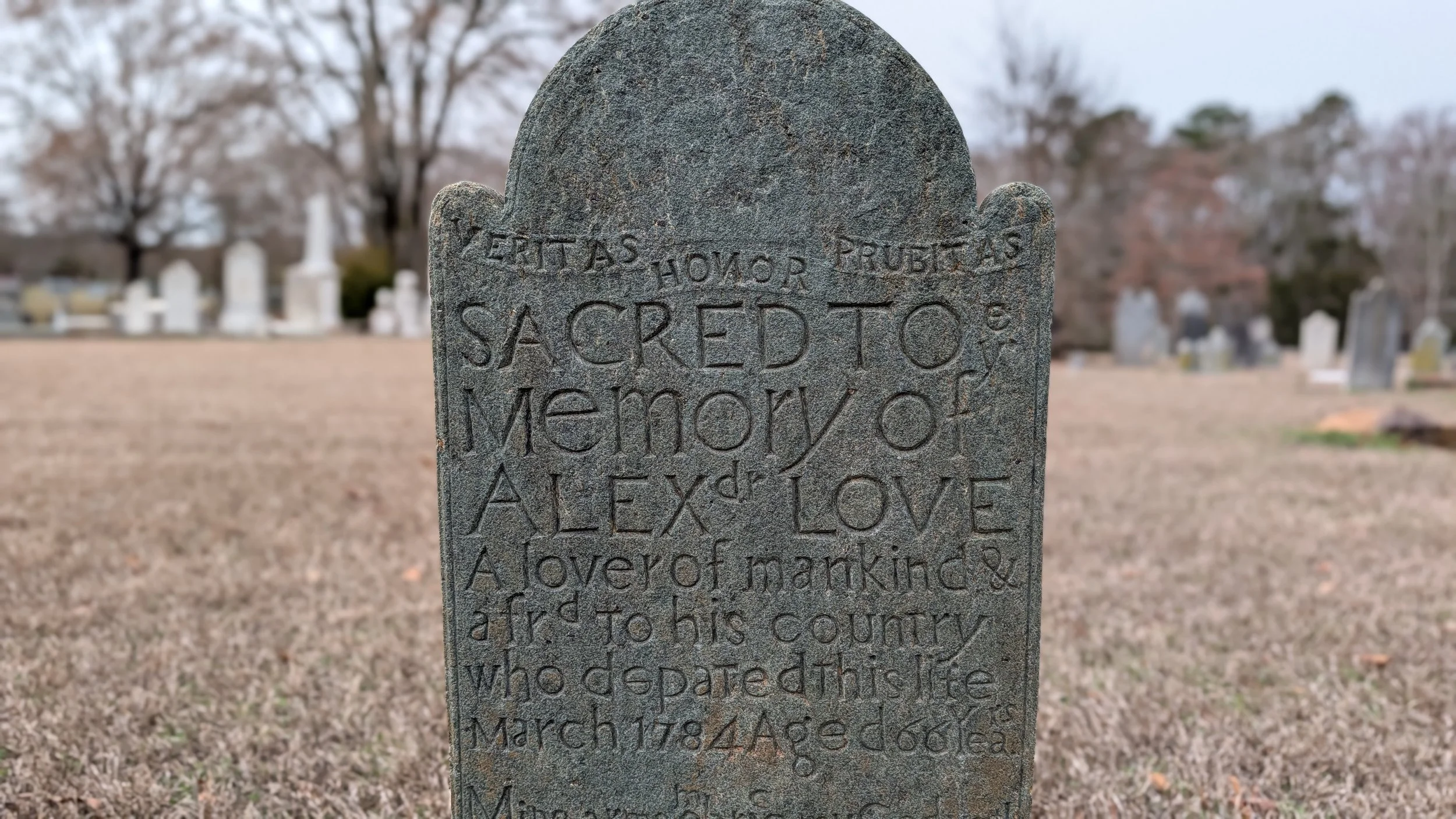
Alexander Love, Sr. 1718-1784
Buried in Bethesda Presbyterian Church Cemetery | York County, South Carolina
There is a marble slab gravemarker at Bethesda Presbyterian Church in York County, South Carolina, that carries one of the most poignant epitaphs I've come across: "A lover of mankind, a friend to his country" and it seems these words were perfect to memorialize Alexander Love, Sr., who put those words into action when he stood against British rule in the colonies. His is grave 13 of 250 for the 250 Years, 250 Graves project.
Alexander's Early Life
Alexander Love was born in January of 1718, though exactly where remains an open question. Some family accounts point to County Antrim, Ireland, while others believe he was born in Pennsylvania. What is certain is that by 1743, he was living in Chester County, Pennsylvania, where on April 6th of that year, he married Margaret Moore, the daughter of Andrew and Rachel Moore. The match came with a complication: Alexander was a devout Presbyterian, and Margaret came from a Quaker family. The Moore family did not object to the union, but the Society of Friends felt differently. Margaret was formally dismissed from the Society, and a brother who took her side was suspended.
Over the following years, Alexander and Margaret built a family in Chester County, Pennsylvania, and their first child, a daughter named Rachel, arrived in 1744. Many more children would follow: sons Andrew, James, Alexander, Robert, and William, and daughters Rachel, Mary, Jane, Elizabeth, Margaret, and Sarah. Life in Pennsylvania, however, would not hold them forever.
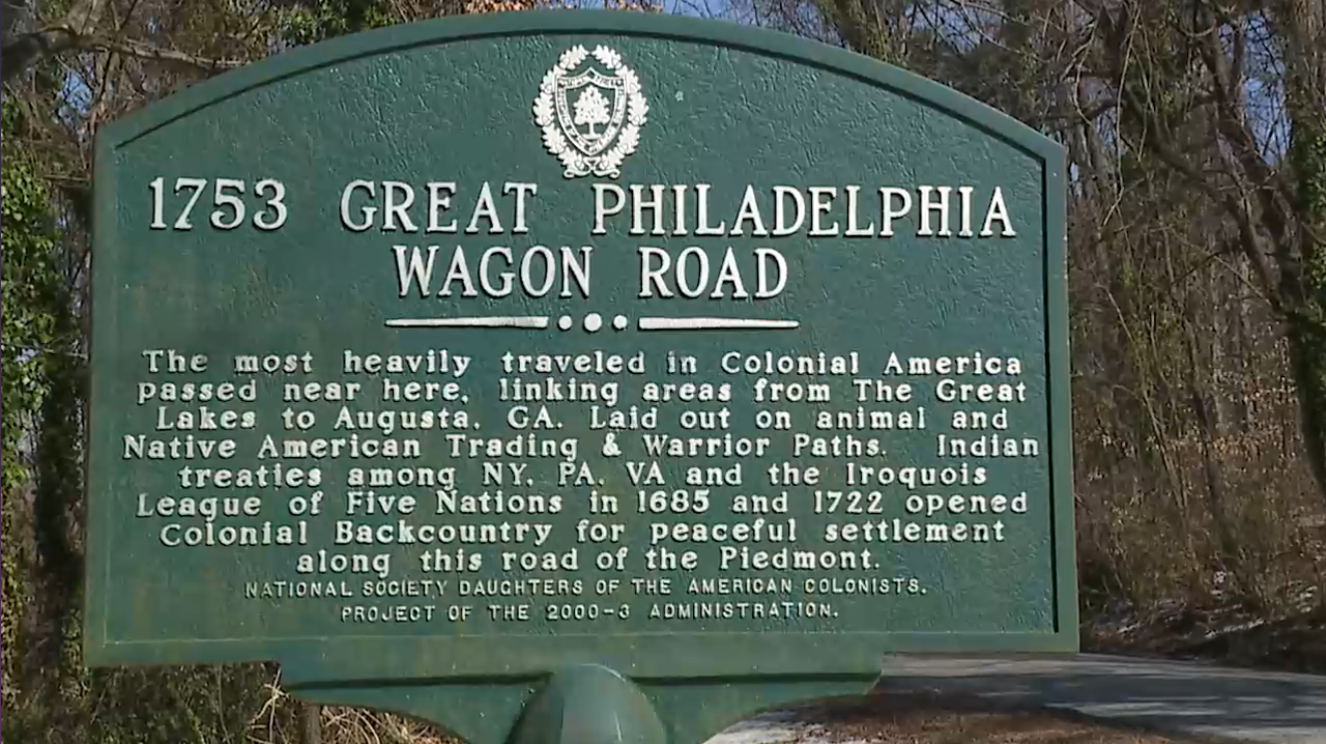
Sometime in the late 1760s or early 1770s (the precise date is uncertain), the Love family loaded their belongings and joined the great southward movement of Scots-Irish settlers from Pennsylvania along the Great Wagon Road. They came down through the Shenandoah Valley and into the Carolina backcountry, eventually settling on Upper Fishing Creek, not far south of what would become the town of York. When they arrived, there was no settled boundary between North and South Carolina, and the land they chose technically fell under North Carolina's claim. That changed in 1772, when the surveyed boundary line placed the Loves squarely inside an area South Carolina called the New Acquisition, an eleven-mile-deep strip of land west of the Catawba River that had been awarded to South Carolina to correct an earlier survey error.
The family has been described as among the first settlers of York County, and Alexander Love wasted little time establishing himself. He accumulated land, helped to establish Bethesda Presbyterian Church, and was quickly recognized, in the words of one local historian, as a prominent member of frontier society.
What Makes a Patriot?
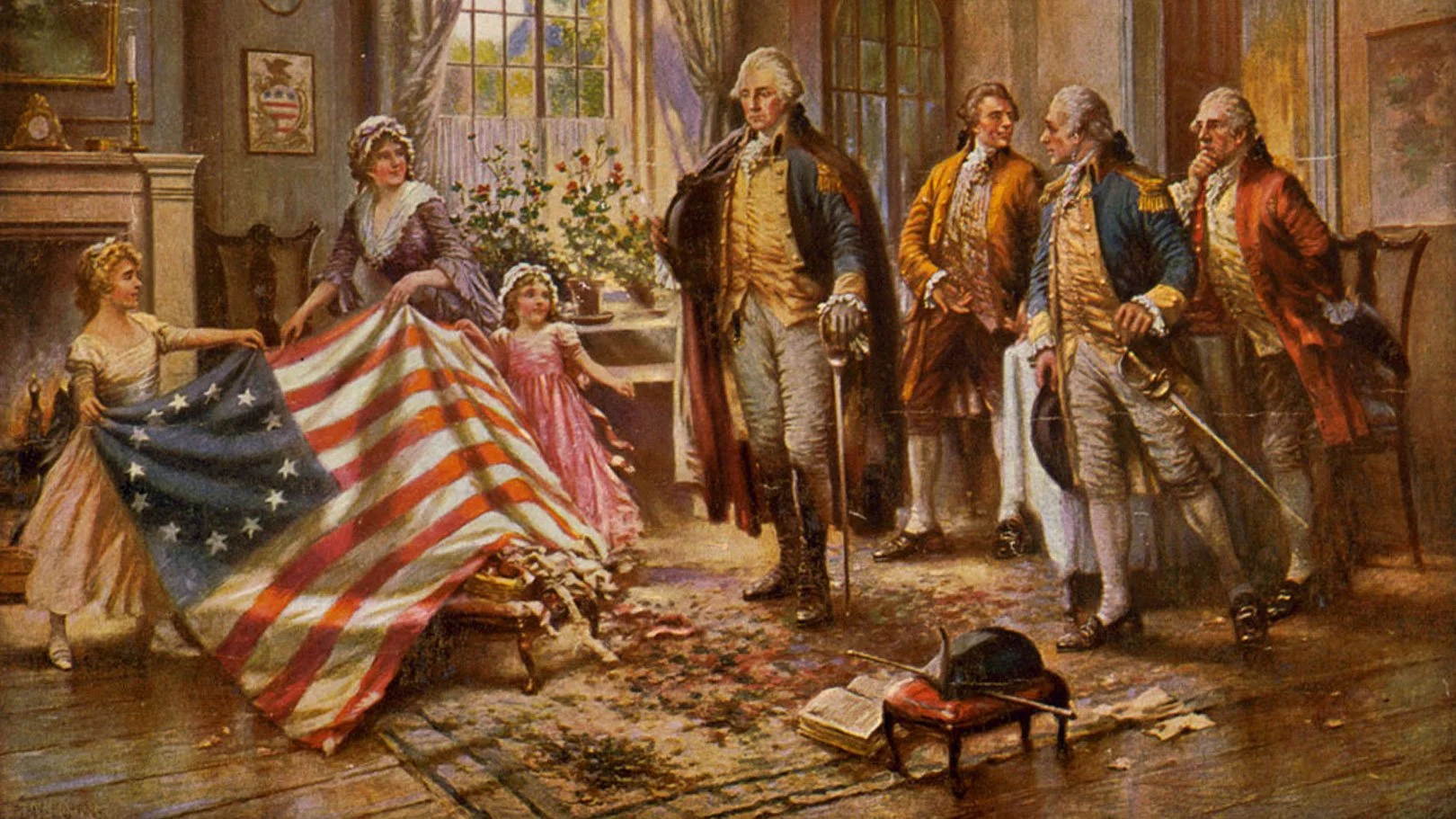
Before telling the story of Alexander Love's Revolutionary service, it is worth pausing on a question this project revisits often: what does it mean to be recognized as a Patriot of the American Revolution?
When most people picture a Revolutionary War soldier, they imagine a man with a musket at Bunker Hill or Valley Forge. But the Sons of the American Revolution and the Daughters of the American Revolution recognize a much broader spectrum of service. Qualifying patriotic service includes not only battlefield combat but also service in colonial legislatures, committees, and congresses; supplying provisions, weapons, or financial support to the Patriot cause; transporting supplies; serving as a spy or courier; and even producing goods, like clothing, food, and equipment, that kept armies in the field. Women who sewed uniforms, provided shelter, or managed farms and businesses while their husbands were away are eligible. Ministers who preached the Patriot cause from their pulpits qualify. So do those who signed oaths of loyalty to the new government at significant personal risk.
Alexander Love, Sr.'s Revolutionary contributions were in meeting halls and legislative chambers as much as in any field. That does not diminish it. It was dangerous, costly, and consequential work.
Alexander Love and the Provincial Congress
In the summer of 1775, as the tension between the colonies and the Crown reached a breaking point, South Carolina began organizing itself for the fight ahead. The New Acquisition region, the backcountry area that Alexander Love had helped settle, needed delegates to represent it at the South Carolina Provincial Congress convening in Charleston. Alexander Love was elected as one of fourteen delegates from the New Acquisition.
He was not thrilled about it. In a letter written to his brother John back in Pennsylvania after learning of his election, Love was characteristically blunt: "I don't like it. It is 200 miles off and very expensive, but I cannot get clear. I doubt it will hurt me, but anything is better than Slavery."
That phrase "anything is better than Slavery" isn't clear if he was speaking metaphorically about British political tyranny being slavery, which was the language that Patriot writers used during that time. Or if he was referring to the institution of chattel slavery as practiced in South Carolina, which was new to a man from a Pennsylvania community with Quaker roots that was antislavery.
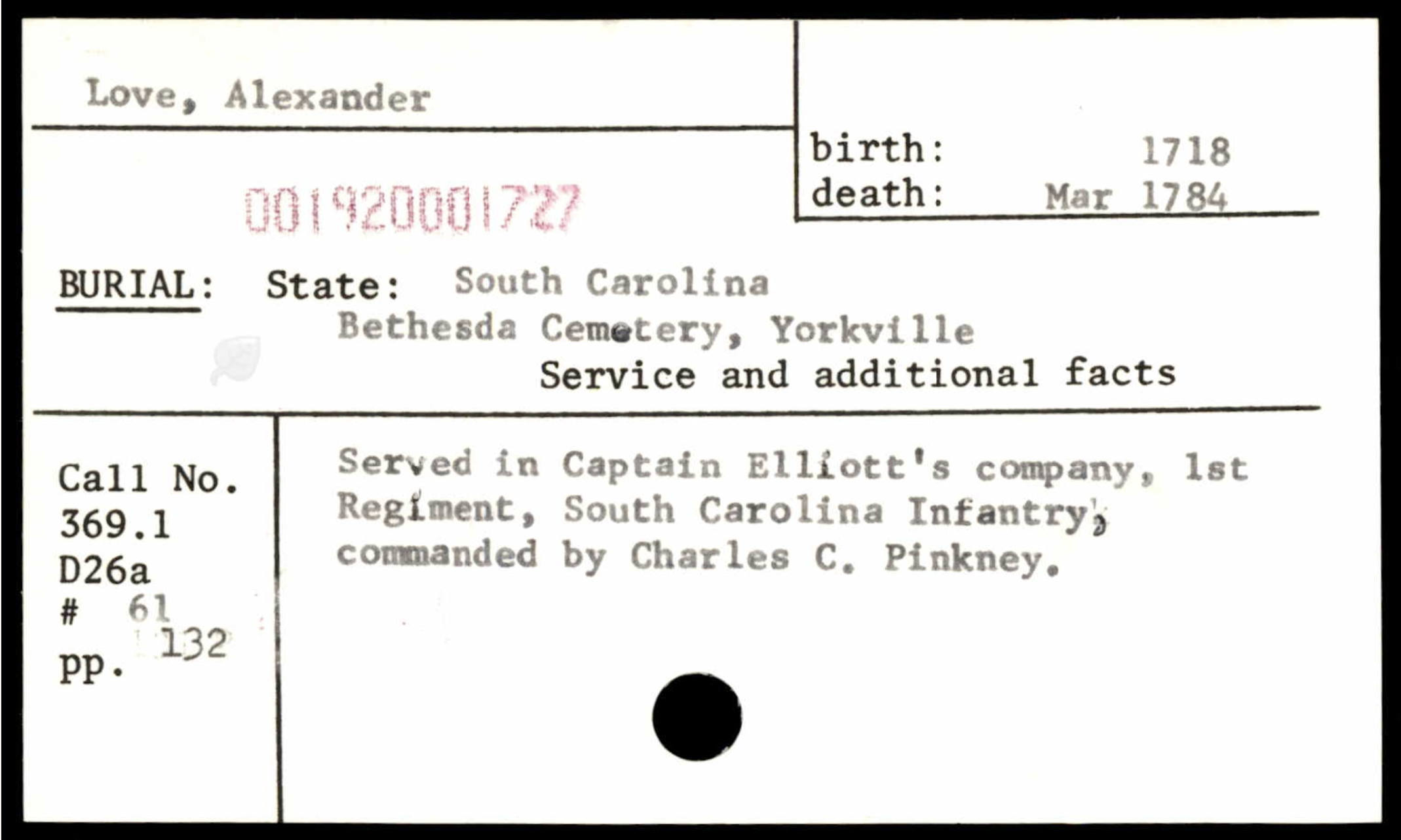
Love was listed among the original officers of the New Acquisition Militia, organized under the command of Colonel Thomas Neel, alongside men like William Bratton and Francis Ross. He attended the Provincial Congress when it assembled in Charleston on November 1, 1775, as part of the delegation that gathered to protest British treatment of the colonies.
The family's commitment to the Revolution extended well beyond Alexander himself. His son Andrew became a colonel in the local forces and was wounded at the Battle of Kings Mountain. His son Robert also served as a soldier. His daughter Rachel's husband, Major Francis Ross, was mortally wounded when his cavalry unit was attacked by Tories and Cherokee fighters near Rocky Point in present-day Aiken County. The Revolution was not an abstraction for the Love family. They served front and center in the cause.
A Brutal Civil War in the Backcountry
Many people don't realize that during this period, the Carolina backcountry was the grounds for a brutal civil war among neighbors and family members, loyalists and patriots who lived beside each other and were forced to choose a side. Here, it was American vs. American fighting each other either on behalf of, or against, British rule. A story that perfectly illustrates this is the account of Alexander's son, Andrew Love, and just how brutal this backcountry war between neighbors truly was.
Andrew had a Loyalist brother-in-law, and when word reached Colonel Andrew Love that Loyalists were gathering at his brother-in-law's home, he surrounded the building with his command and ordered the men inside to surrender. When they refused, he warned that he would shoot the first person to come out. His sister Sarah, believing she could calm her brother, appeared in the doorway wearing a hat. Either Andrew or one of his men, mistaking her for a man, fired. Sarah was killed. The Revolution in the Carolina backcountry was a civil war in every sense of the word.
Naming York County
After the Revolution, when South Carolina reorganized its territory into districts, Alexander Love took his seat in the state legislature. When the time came to name the new district carved from the old Craven County territory, Love made his case for a name that carried meaning for him personally. He wanted it called York after the county in Pennsylvania where he had spent some of his early life. He succeeded. York County, South Carolina, was officially established in March 1785. Alexander Love died in March 1784, nine months before the county he named officially came into being.
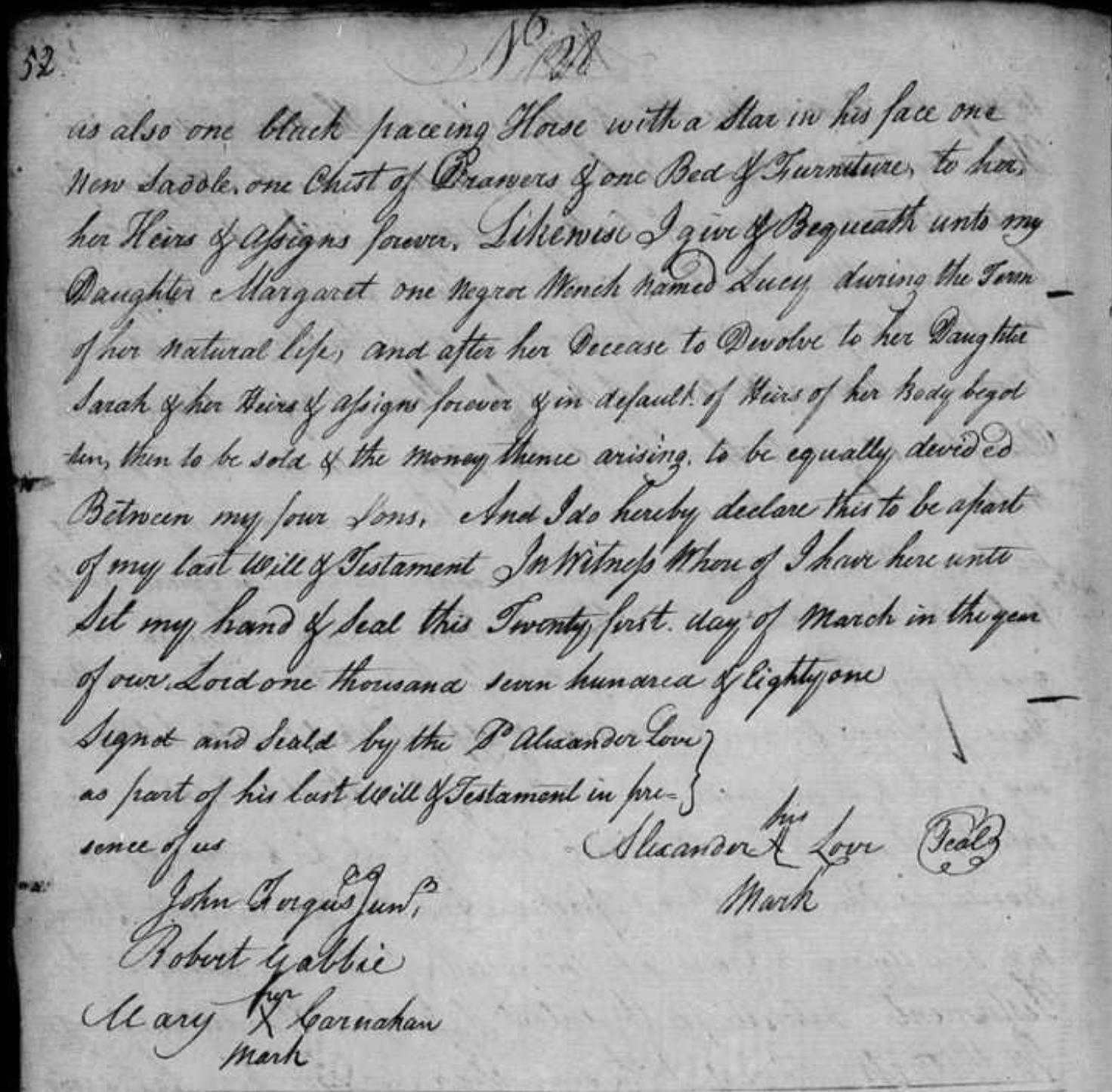
A portion of Alexander Love, Sr.'s will.
Following his death, his will, which was dated March 20, 1781, and recorded in the Craven County Will Book A, pages 48-52, documents the prosperous life of a frontier patriarch, who left behind a wealthy estate of land, livestock, tools, silver buckles and clasps, and enslaved people. He bequeathed an enslaved woman named Dinah to his wife Margaret for life, and later added enslaved women named Millie and Lucy to bequests for his daughters.
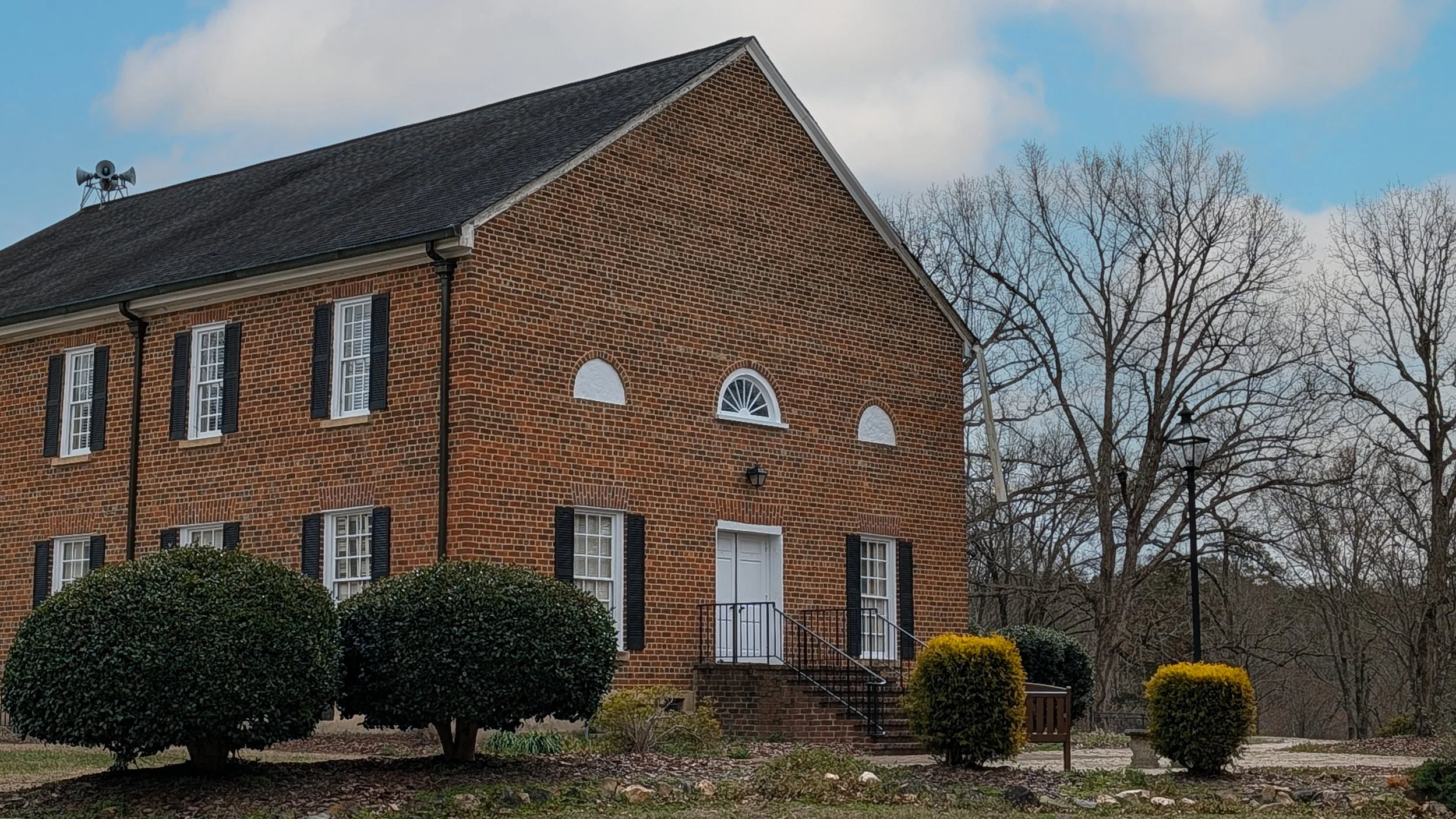
Bethesda Presbyterian Church and Graveyard
A Presbyterian group began meeting here around 1760, and by 1769, Bethesda Presbyterian Church had been formally organized. The present church building, which was built about 1820, is the third church building that has stood here. The church was placed on the National Register of Historic Places in 1977, and extensive restoration work was undertaken to return the building to its original design. The cemetery holds the remains of 34 documented Revolutionary War veterans.
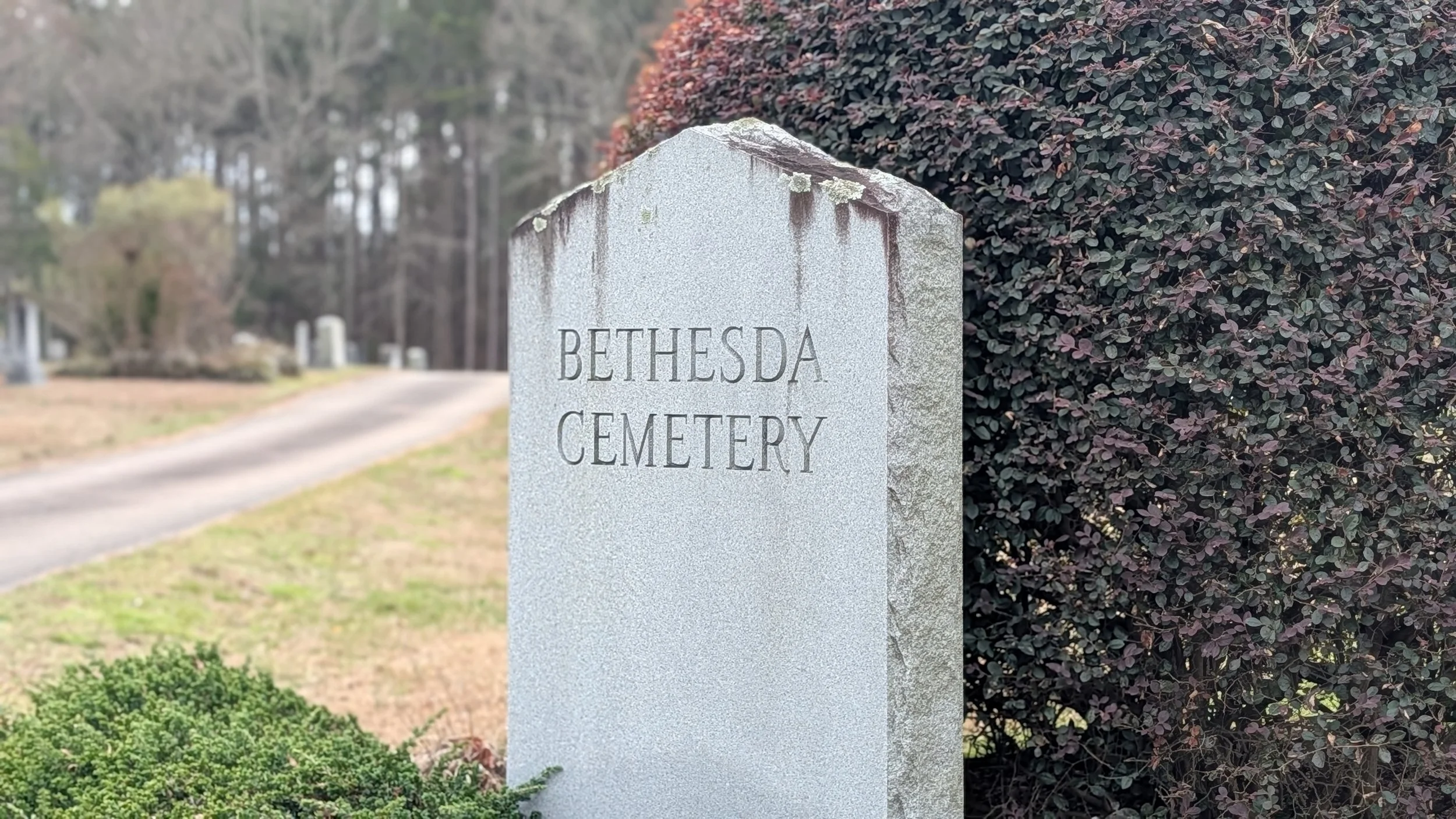
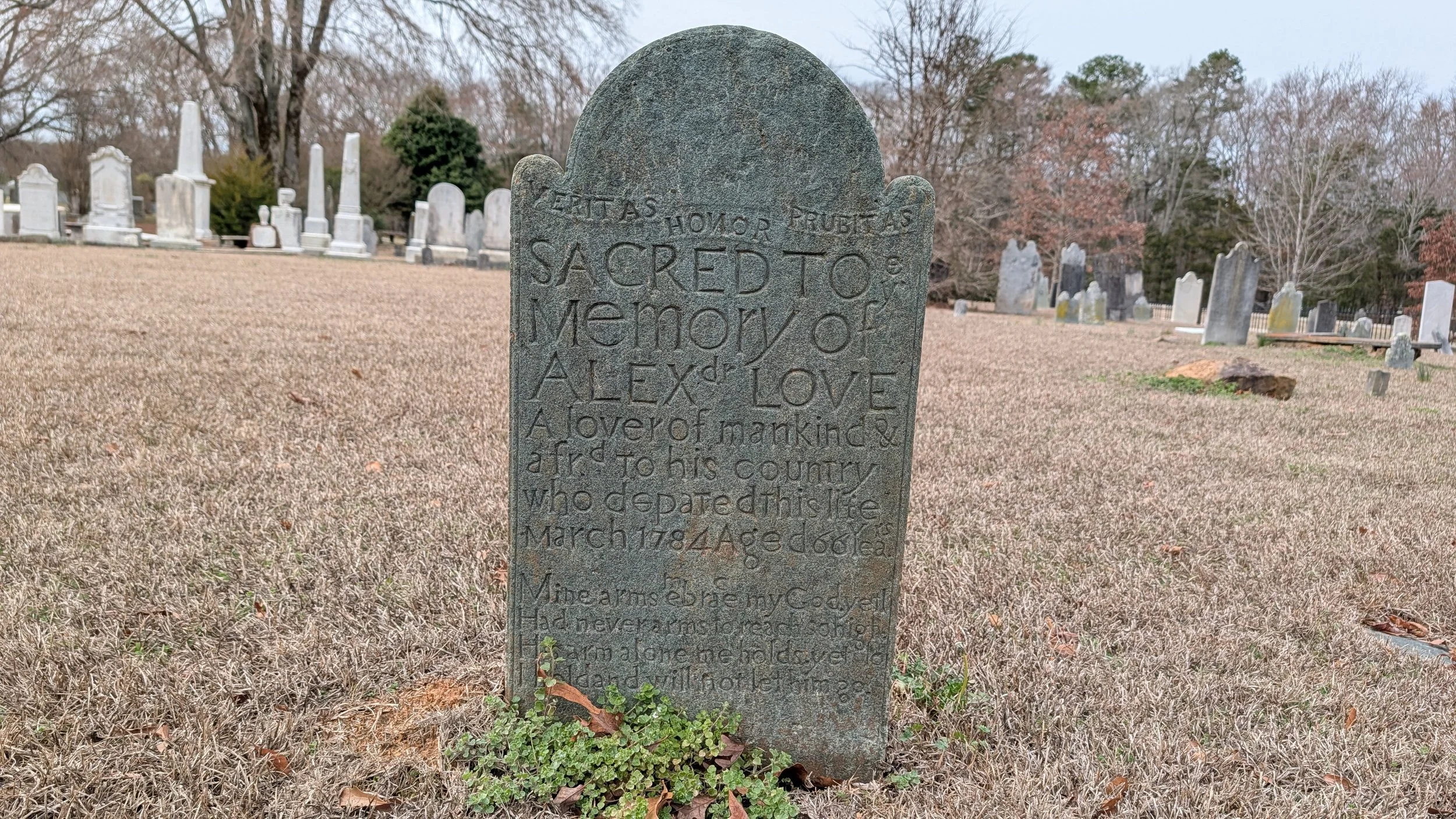
Alexander Love was a ruling elder here. For generations after his death, a member of his family line continued to serve as elder at this church. He is buried beneath this beautiful marble slab. In 1971, a group of his descendants representing the Alexander Love Chapter of the National Society Daughters of the American Revolution traveled from Houston, Texas, to this cemetery in South Carolina to place a DAR marker at his grave. The DAR marker reads: "Alexander Love, Revolutionary War Soldier -- 1718-1784, Placed by the Alexander Love Chapter, Daughters of the American Revolution."
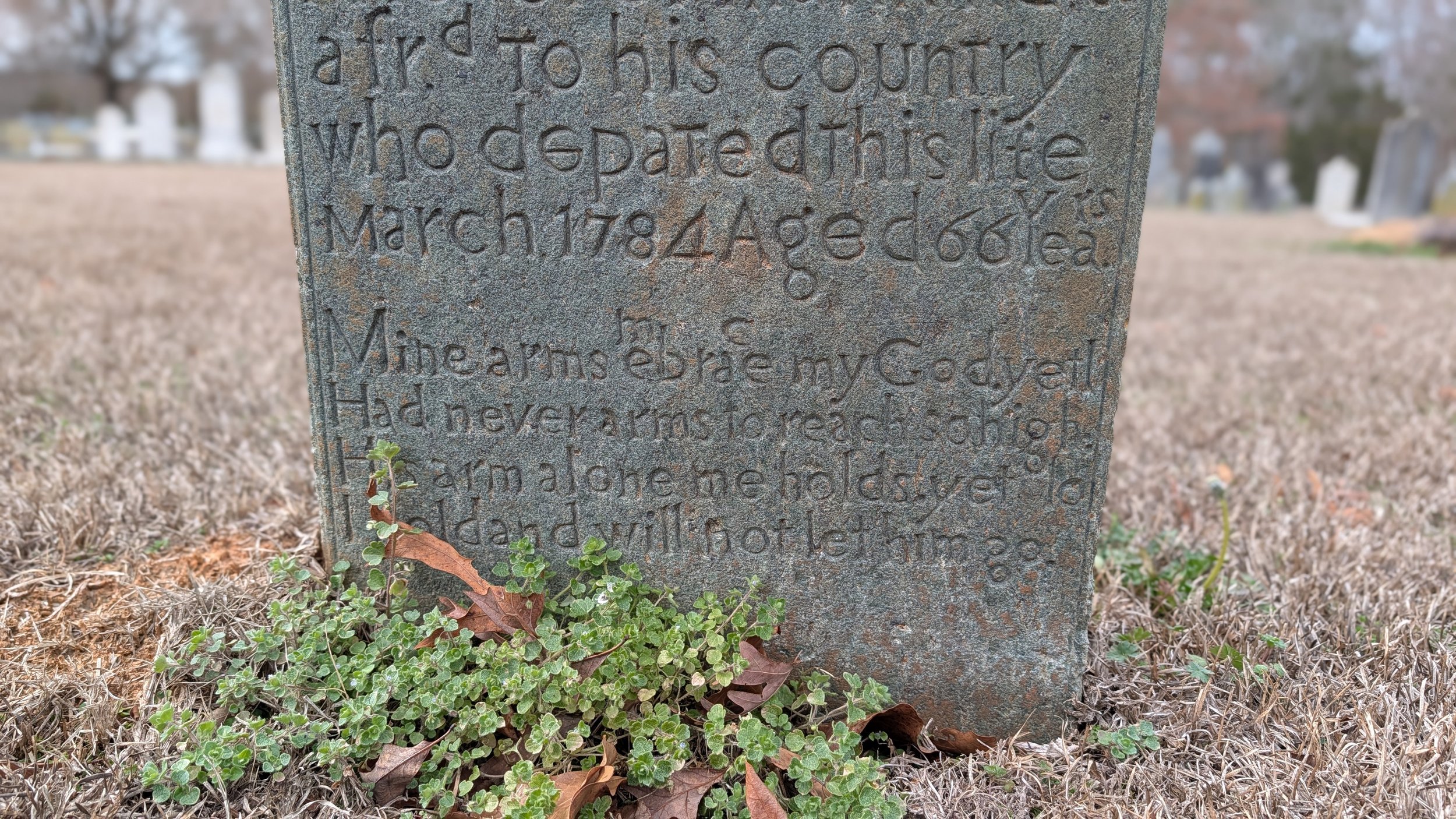
His original stone reads:
"Alexander Love died, March 1784. Aged 66 years. A lover of Mankind, a friend to his Country, who departed this life March 1784, Aged 66 years. Mine arms embrace my God. Had never my arms to reach so high. His arm alone me holds yet. I hold and will not let him go."
This project is made possible by readers like you.
Your support helps to pay for website costs, gas to travel to these sites, and cleaning supplies for the veteran stones that I’m working to restore.
If you believe this work is important, your support is so appreciated!
Citations
DAR Ancestor Database, Ancestor #A071802, Alexander Love, Patriotic Service, South Carolina.
State Records of South Carolina: Extracts from the Journals of the Provincial Congresses of South Carolina, 1775-1776. Columbia: South Carolina Archives Department, 1960. pp. 8, 33, 77. Passmore, John.
Ancestors and Descendants of Andrew Moore, 1612-1897. Vol. 1, pp. 39-45. Includes three letters written by Alexander Love (1771-1775) and an extract of his will.
Alexander Love, Will dated March 20, 1781. Craven County Will Book A, pp. 48-52, No. 27. South Carolina Department of Archives and History, Columbia, SC. Pettus, Louise.
"Alexander Love: He Named York County." York County Genealogical Society Quarterly, Vol. I, No. 1, June 1989.
"A Brief History of the New Acquisition Militia." New Acquisition Militia website. newacquisitionmilitia.com/brief-history-new-acquisition-militia/
Bethesda Presbyterian Church. "History." bethesdapres.org/history.htm
"Alexander Love (1718-1784)." Find A Grave, Memorial ID 13831408. Bethesda Presbyterian Church Cemetery, York, York County, South Carolina.
"COL Andrew Love Sr. (1747-1821)." Find A Grave, Memorial ID 63708240. findagrave.com/memorial/63708240/andrew-love
Roots and Recall. "Bethesda Presbyterian Church, York County, S.C."
"Alexander Love Chapter, NSDAR. "Our History of Alexander Love." Texas DAR.