Nathaniel Jones [2/250]
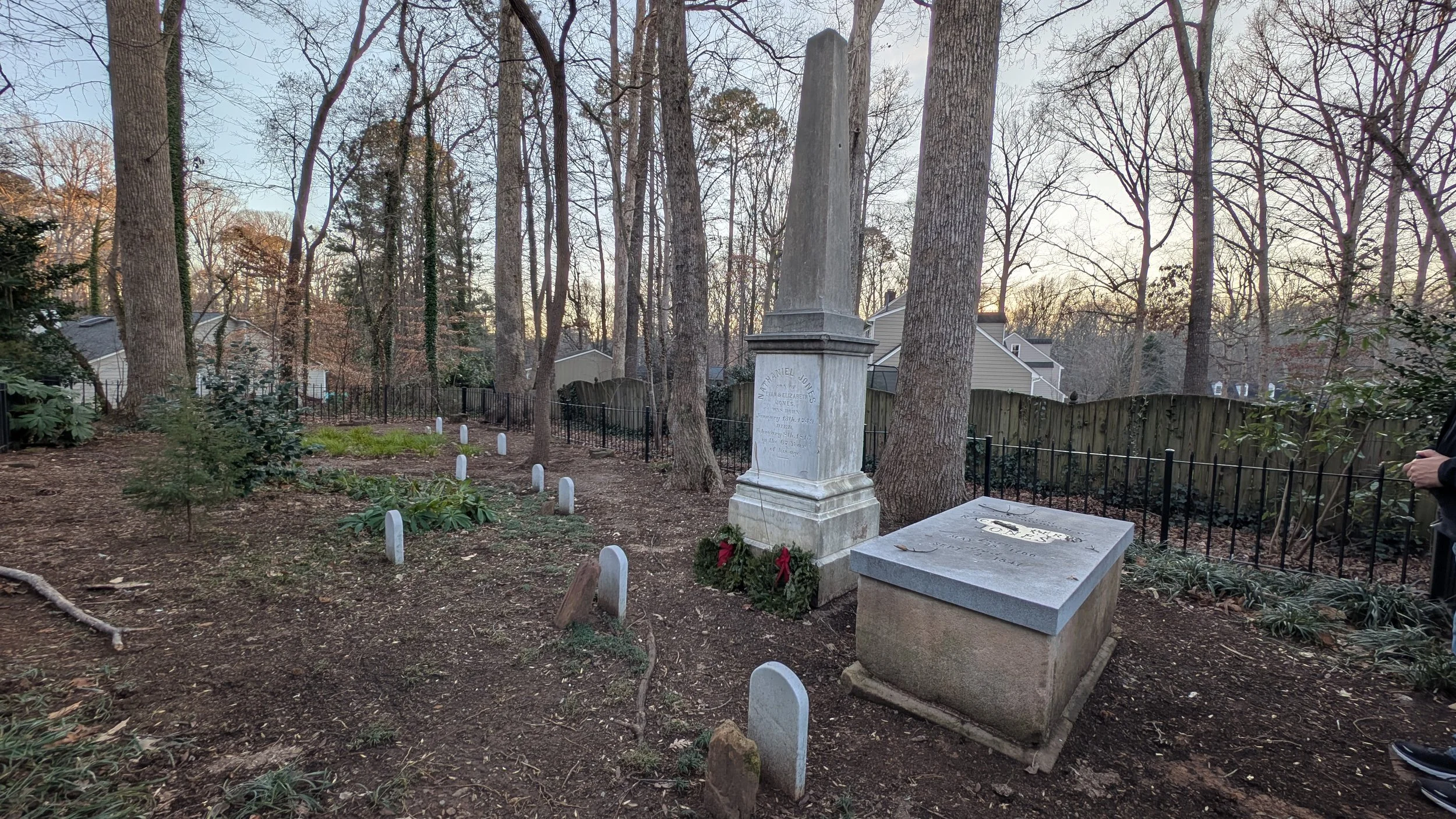
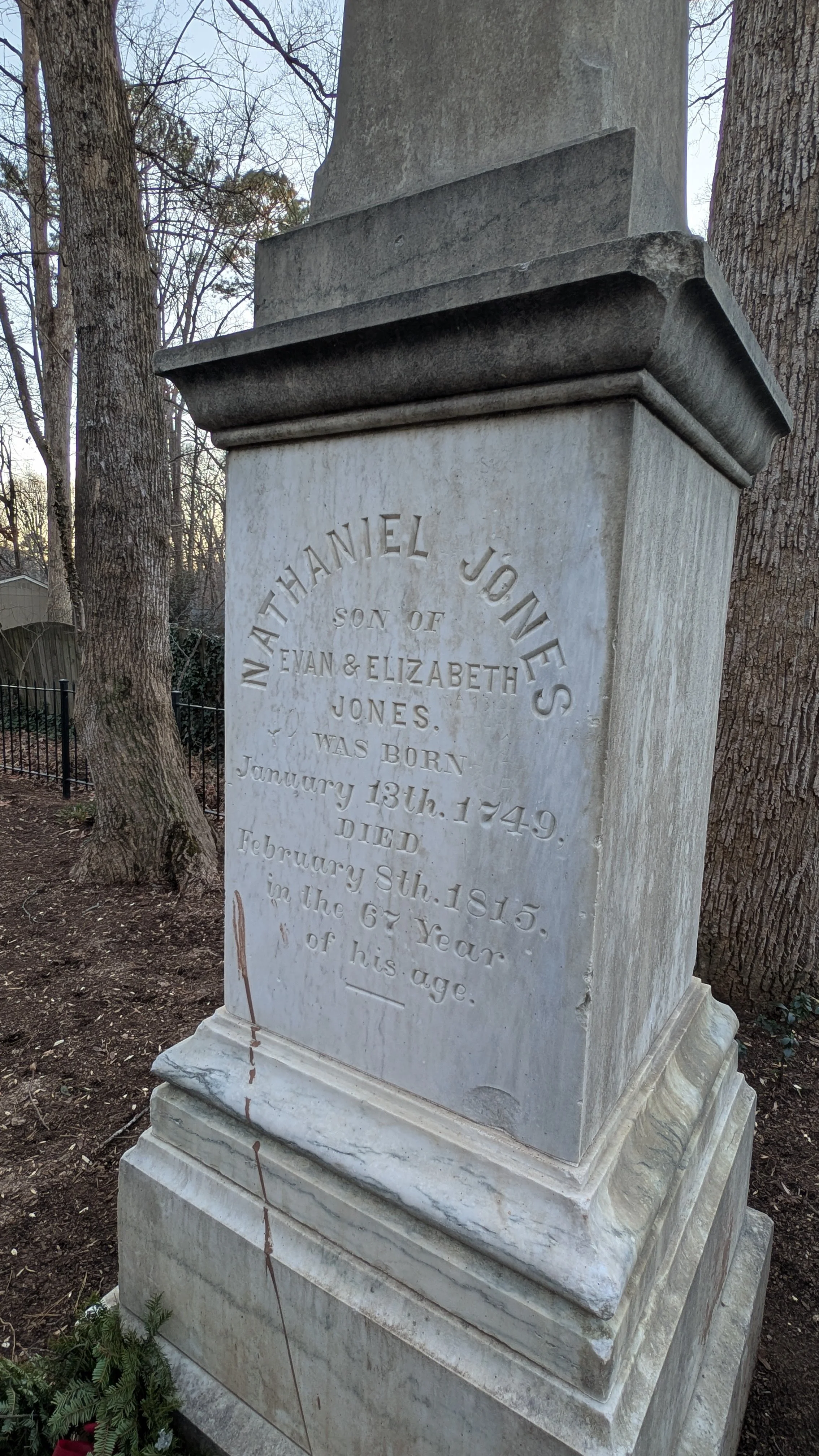
Nathaniel Jones 1749-1815
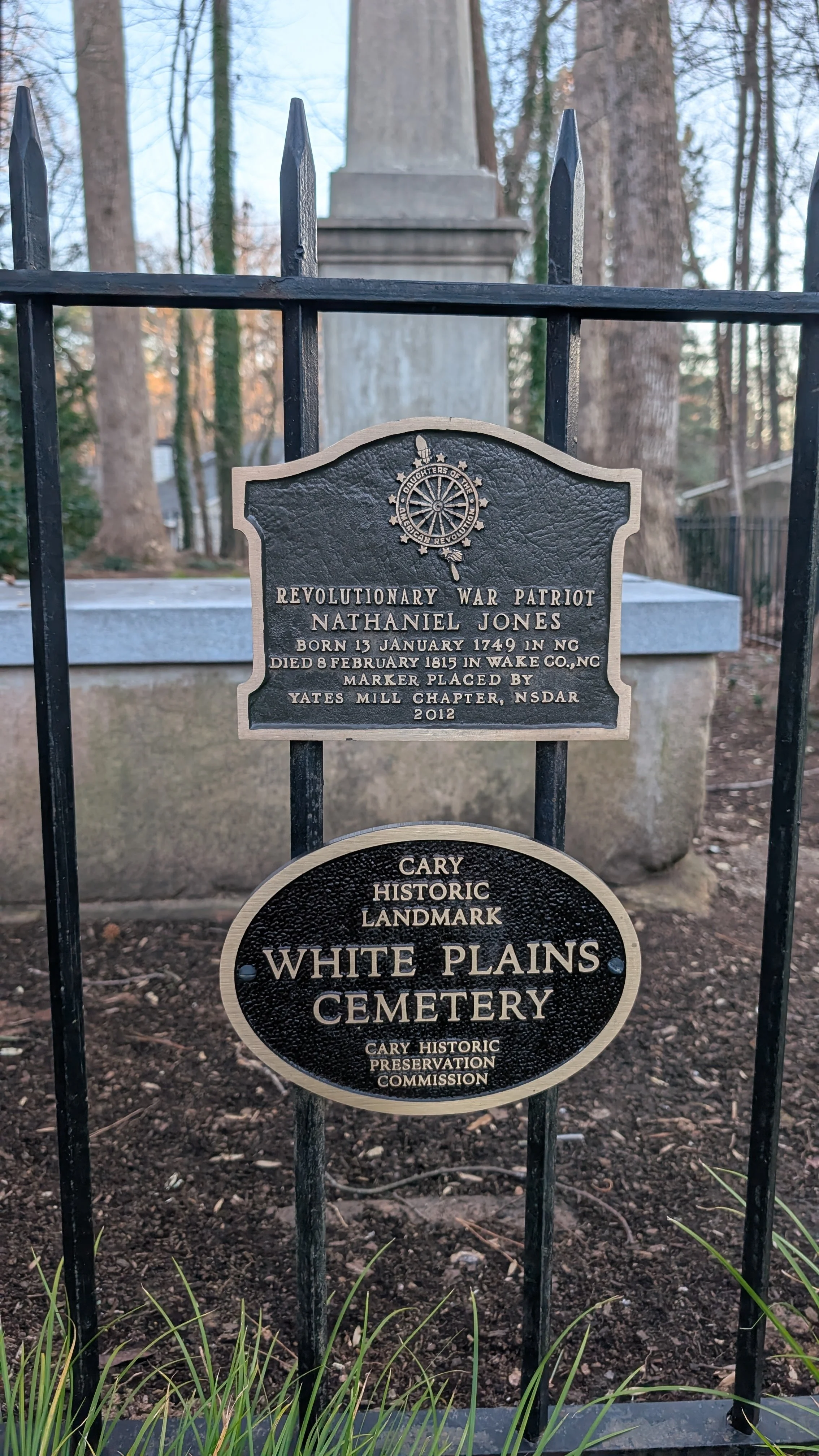
Buried at White Plains Cemetery in Wake County, North Carolina
Tucked away in a residential cul-de-sac in Cary, North Carolina, stands a small family graveyard that holds the stories of an American Patriot named Nathaniel Jones and his family, among the earliest and most influential settlers in this part of the state. While the cemetery is well cared for today, that was not always the case. Until 2010, it was unclear whether this burial ground and the history it represented would ever be reclaimed. Fortunately, a local preservation effort ensured that this place, and the people buried here, received the dignity and remembrance they deserve.
In honor of America’s 250th birthday, I am researching the stories of 250 people involved in the struggle for American independence. This is the story of one of them: Nathaniel Jones, whose life intersects revolution, conscience, and the founding of North Carolina itself.
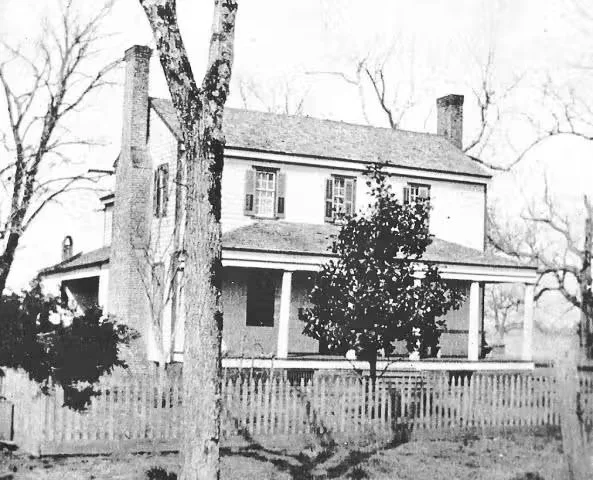
White Plains Plantation- the home of Nathaniel Jones
A Man of Land and Influence
Nathaniel Jones is believed to have been born in 1749 in North Carolina to Evan and Elizabeth Jones. By the late eighteenth century, he had become one of the largest landowners in central North Carolina. At his peak, Jones owned more than 10,000 acres, encompassing much of what is now eastern Cary. He named his plantation White Plains, a reference to the broad expanses of white cotton fields that once dominated the landscape of his farms.
Jones was not only a wealthy planter; he was deeply involved in the civic and political life of the young state. Over the course of his life, he served Wake County and North Carolina in numerous roles, including county commissioner, sheriff, justice of the peace, clerk of court, and member of the North Carolina General Assembly. In 1788, he represented Wake County as a delegate to the Hillsborough Convention, where North Carolina debated whether to ratify the United States Constitution.
In 1792, Jones made an offer that speaks to his prominence and ambition. He proposed that his land at White Plains be used as the site of North Carolina’s new capital. The state ultimately selected land owned by Joel Lane in what would become Raleigh, but Jones’s offer underscores how central White Plains once was to the region’s political geography.
A Revolutionary Patriot
Nathaniel Jones lived through and actively supported the American Revolution, though not as a soldier. His patriot records indicate that he contributed to the revolutionary cause through public service and local leadership during a time when civil authority and military necessity often overlapped. His career reflects the reality of the Revolution in North Carolina, where governance, loyalty, and survival were tightly bound together, especially in rapidly growing frontier communities like Wake County.
A Will Guided by Conscience
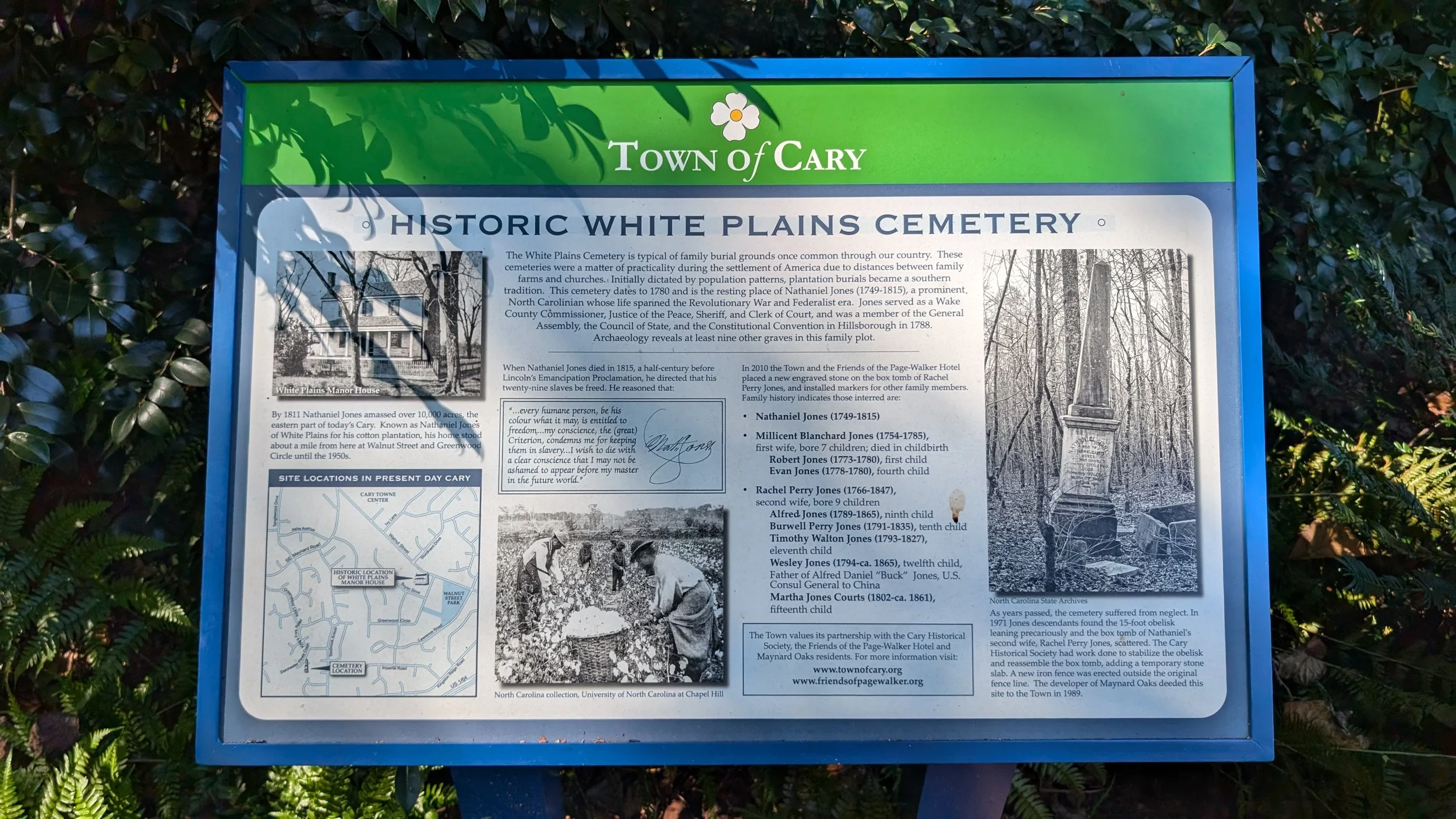
One of the most striking chapters of Nathaniel Jones’s story is found in his last will and testament. Written in 1814, more than fifty years before the Emancipation Proclamation, Jones called for the emancipation of the people he enslaved. He wrote that his “conscience, the great Criterion,” condemned him for holding others in bondage and that all people were entitled to freedom.
He stated:
“Every humane person, be his colour what it may, is entitled to freedom; my conscience, the (great) Criterion, condemns me for keeping them in slavery. I wish to die with a clear conscience that I may not be ashamed to meet my master in the future world.”
While Jones was not the only slaveholder to express such views, this position was extraordinary for a wealthy North Carolina planter in 1815. Yet his wishes could not be fulfilled. At the time of his death, North Carolina law prohibited manumission, and his estate was legally prevented from carrying out his final request. His words remain powerful evidence of the moral conflict that existed even within the slaveholding South during the Revolutionary and early national periods.
White Plains Cemetery Today
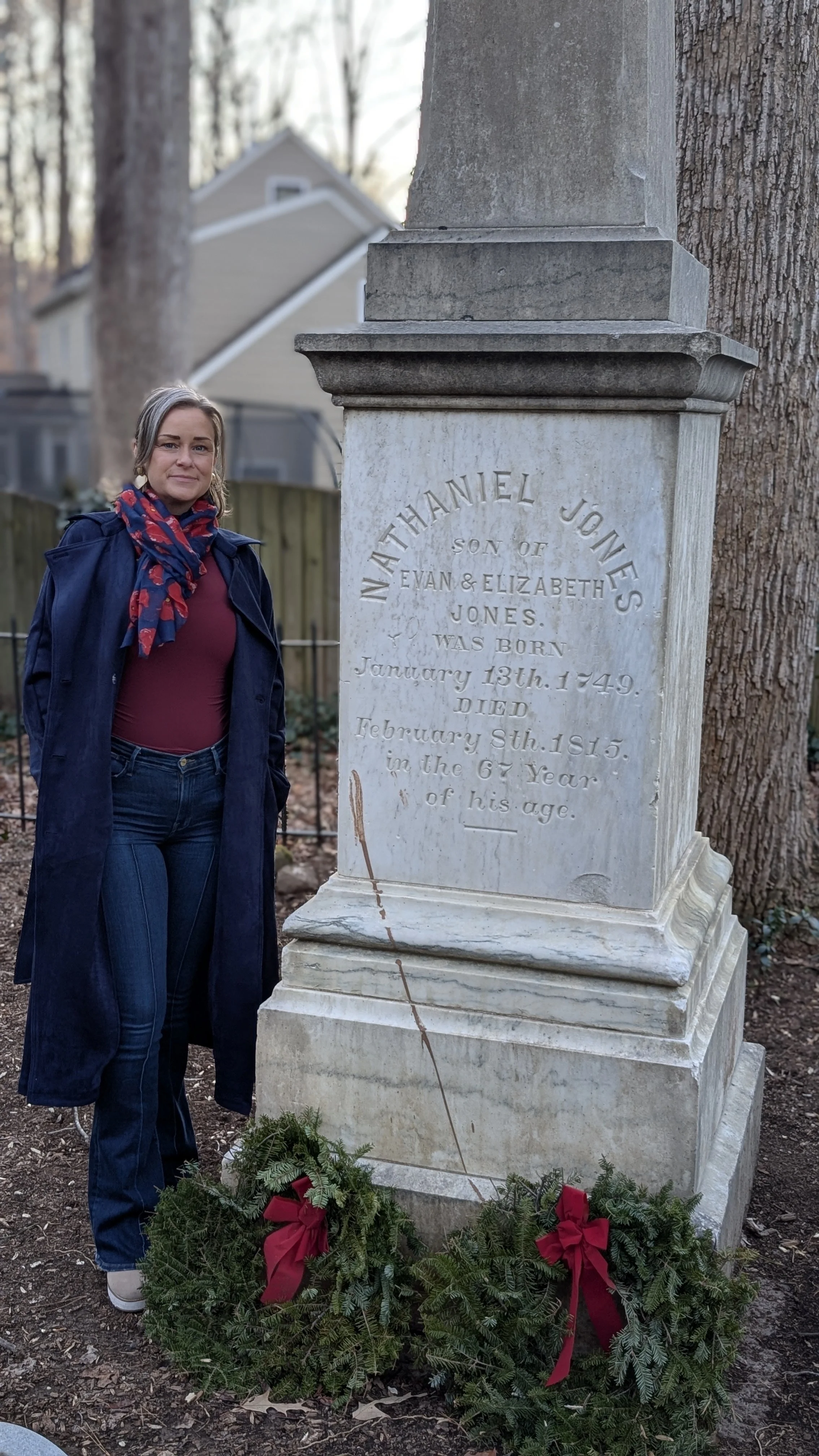
Nathaniel Jones’s story continues at White Plains Cemetery in Cary. Dating to around 1780, it is considered the oldest historic site in the city. A striking 14-foot obelisk marks Jones’s grave, rising above smaller stones and unmarked burials nearby. The cemetery is also the final resting place of several members of his family, including his first wife, Millison Blanchard Jones, who died in 1785; his second wife, Rachel Perry Jones; and several of their children.
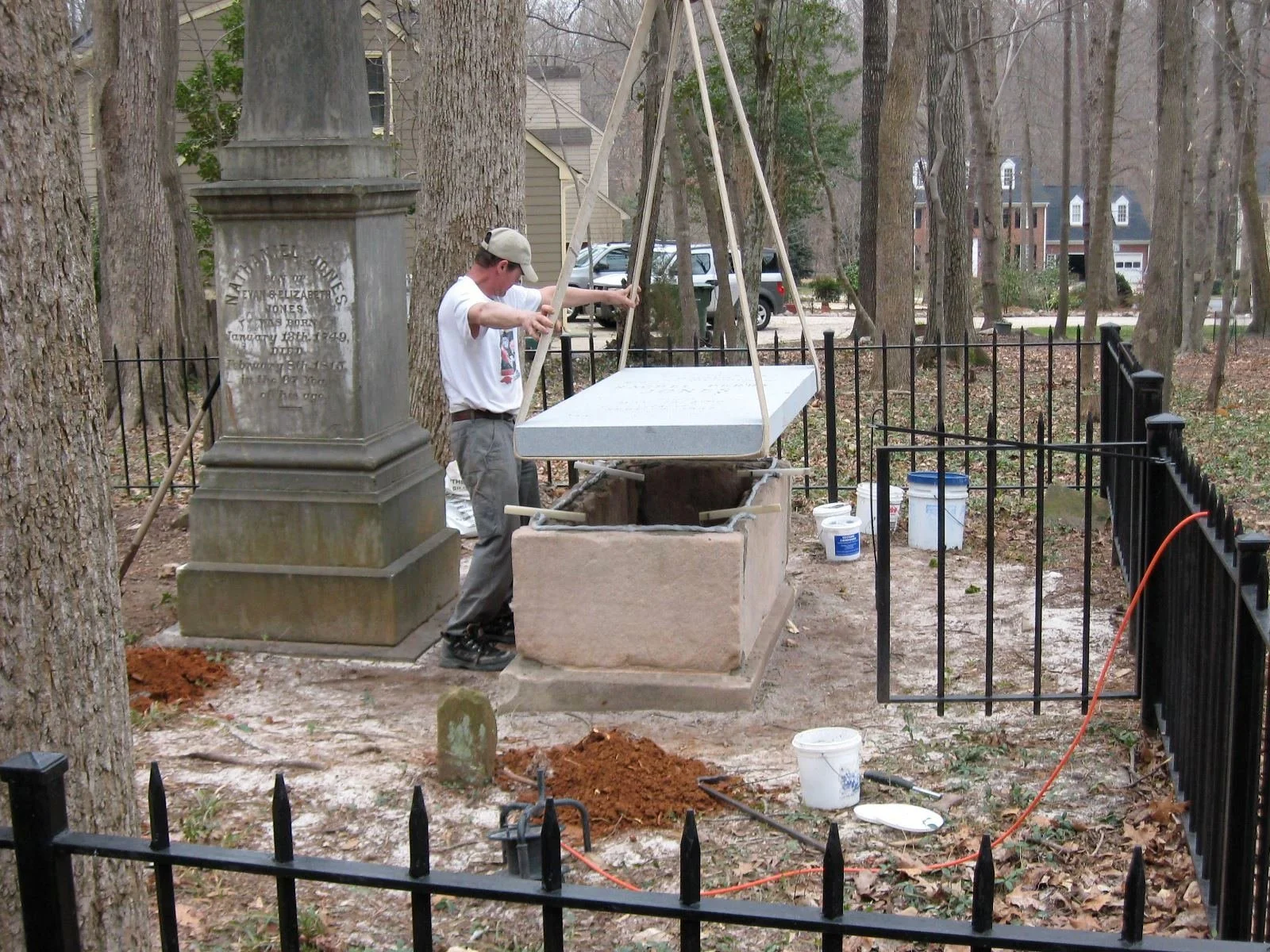
After years of neglect, the cemetery was rediscovered in the 1970s and cleared of overgrowth. In 2010, through the efforts of the Friends of the Page-Walker Arts & History Center and the Town of Cary, the leaning obelisk and damaged box tomb were repaired, ensuring that this fragile link to Cary’s earliest history was preserved for future generations.
The 250 Graves project is made possible by readers like you. Please consider contributing if you’re able!
This project is made possible by readers like you.
Your support helps to pay for website costs, gas to travel to these sites, and cleaning supplies for the veteran stones that I’m working to restore.
If you believe this work is important, your support is so appreciated!
Citations
Last Will and Testament of Nathaniel Jones, Wake County Wills, 1814.
Wake County Records, colonial and early state civic appointments.
DAR/SAR Patriot service records for Nathaniel Jones.
Cary Historic Resources Inventory.
Town of Cary & Friends of the Page-Walker Arts & History Center, White Plains Cemetery restoration documentation (2010).
WRAL News, “Revolutionary War veteran’s grave hidden in local neighborhood.”